
Essential Temporary Facilities for Commercial Construction Site Success
Planning temporary facilities like restrooms, guard shacks, and storage is crucial for productivity, safety, and efficient management on commercial construction sites.
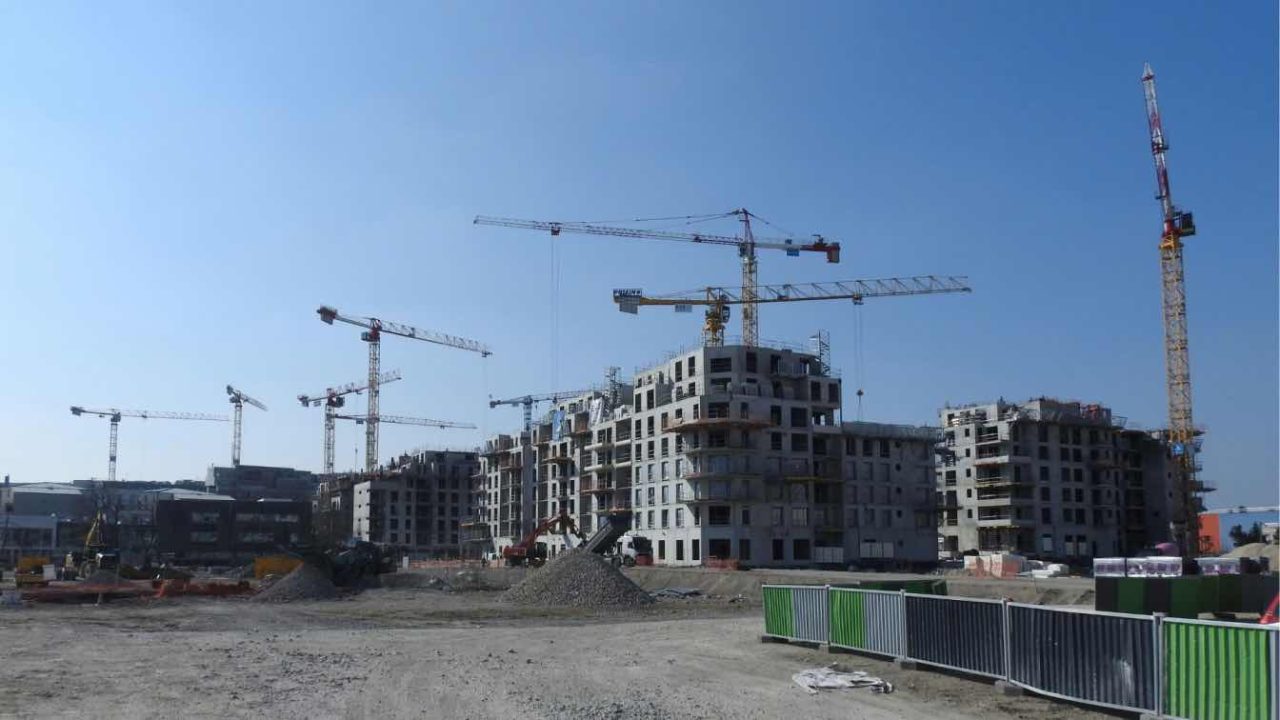
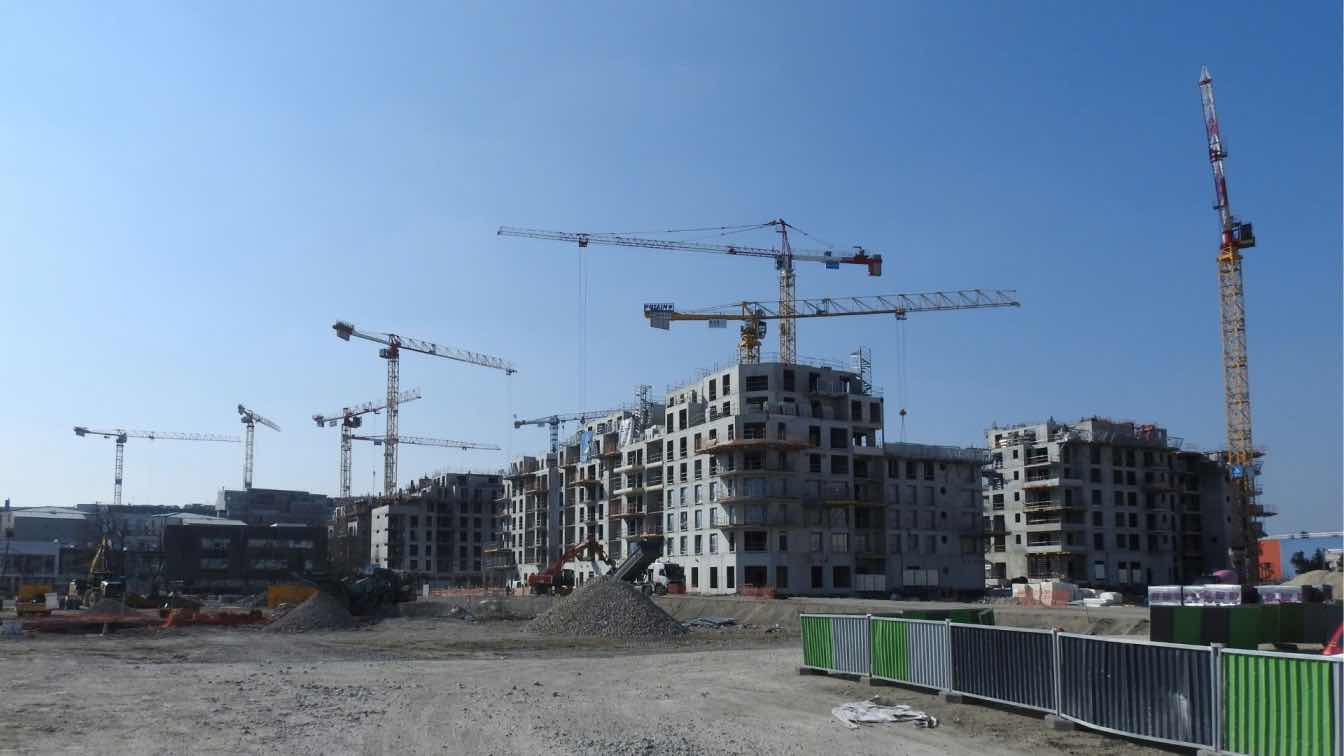
Effective project management on commercial construction sites hinges on more than just the core building activities. The strategic planning and implementation of temporary facilities are fundamental to ensuring smooth operations, worker well-being, and overall project efficiency. These amenities, though not directly part of the final structure, form the operational backbone of any construction endeavor, supporting everything from safety and communication to material management and compliance.
Key facts
| Facility Type | Purpose | Importance |
|---|---|---|
| Restrooms & Washing | Worker hygiene and sanitation | Essential for worker health, comfort, and compliance with regulations. |
| Guard Shacks | Site security and access control | Protects valuable equipment and materials, manages site entry/exit. |
| Storage Units | Secure storage for tools, materials, and equipment | Prevents theft, damage, and loss, ensuring resources are available when needed. |
| Temporary Offices | Project management and team coordination | Provides a functional space for site managers and administrative tasks. |
| Waste Management Units | Disposal and recycling of construction debris | Ensures site cleanliness, environmental compliance, and efficient material handling. |
| Power & Water Supply | Running tools, lighting, and essential site services | Critical for operating equipment, maintaining hygiene, and mixing materials. |
Improving Site Organization
Properly planned temporary facilities contribute significantly to site organization. By designating specific areas for restrooms, storage, offices, and waste management, construction sites can avoid the chaos that often leads to delays, safety hazards, and increased costs. A well-organized site ensures that personnel, vehicles, and materials can move efficiently, minimizing disruptions.
Enhancing Worker Safety and Comfort
The well-being of the construction crew is paramount. Access to clean and adequate restroom facilities, along with hand-washing and potentially shower stations, is a basic requirement that directly impacts worker health and morale. Comfortable workers are generally more productive and attentive to safety protocols. Ensuring these basic amenities are readily available demonstrates a commitment to the workforce, which can foster a more positive and efficient working environment.
Facilitating Communication and Team Coordination
Temporary site offices serve as crucial hubs for project managers and teams. These spaces are essential for planning meetings, site inspections, and daily briefings. Effective communication between different trades and management is vital for project success, and having a dedicated, functional office space facilitates this coordination. This ensures that everyone is aligned with project goals and schedules.
Efficient Storage and Material Handling
Construction sites often house expensive machinery, tools, and significant quantities of building materials. Temporary storage units, such as portable containers, are vital for securing these assets against theft, weather damage, and unauthorized access. Efficient inventory control, facilitated by secure storage, prevents delays caused by missing equipment and reduces costly losses.
Compliance with Regulations
Adhering to health, safety, and environmental regulations is a non-negotiable aspect of commercial construction. Temporary facilities play a key role in meeting these requirements. This includes providing sufficient sanitation, ensuring proper waste disposal, and maintaining a safe working environment. For example, temporary restroom solutions are often required by law, and their availability and maintenance are subject to inspection.
Reducing Project Downtime
The interconnectedness of temporary facilities means that issues in one area can have ripple effects. For instance, a lack of power can halt the operation of essential tools and office equipment, while inadequate waste management can lead to a cluttered and unsafe site. By proactively planning and maintaining these facilities, project managers can mitigate risks, prevent unexpected delays, and keep the project on schedule and within budget. This forward-thinking approach ensures that the site operates with maximum efficiency.
Source: Amazing Architecture – https://amazingarchitecture.com/articles/planning-temporary-facilities-for-commercial-construction-sites
Source
Amazing Architecture Original publication: 2026-07-10T15:13:38+00:00
Related news
Koto launches Haku, a mobile prefab hotel suite built on a wheeled chassis to bypass UK planning restrictions
UK architecture studio Koto has unveiled Haku, a fully mobile prefabricated suite that legally qualifies as a caravan, allowing landowners and hotel…
Read more
HONG Designworks Completes Private Office in Xi’an That Balances Memory, Materiality, and Long-Term Use
The Xi’an office by HONG Designworks integrates a folded steel staircase, retained furniture from a previous workspace, and a restrained purple-gray palette…
Read more
Handwoven Teak and Cord Outdoor Seating Debuts from Masaya and Abril Zepeda
Nicaraguan furniture brand Masaya has introduced two new handcrafted outdoor chairs — a rocking chair and a lounge chair — designed by…
Read more
Place in Mind: Hendricks Churchill Launches Hospitality Group to Revive Historic Properties
The architecture and interior design studio Hendricks Churchill has launched Place in Mind, a new hospitality group focused on acquiring, restoring, and…
Read moreRelated wiki

Adaptive Reuse in Architecture
Reference page for reuse, retrofit, conversion, embodied carbon and design constraints.
Read more