
Haus W by Studio EH Unveils Dramatic Design Rooted in Geological Formations
Studio EH's Haus W, situated on a steep slope, draws its architectural expression directly from the local limestone and quartz strata, creating a unique dialogue between building and site.
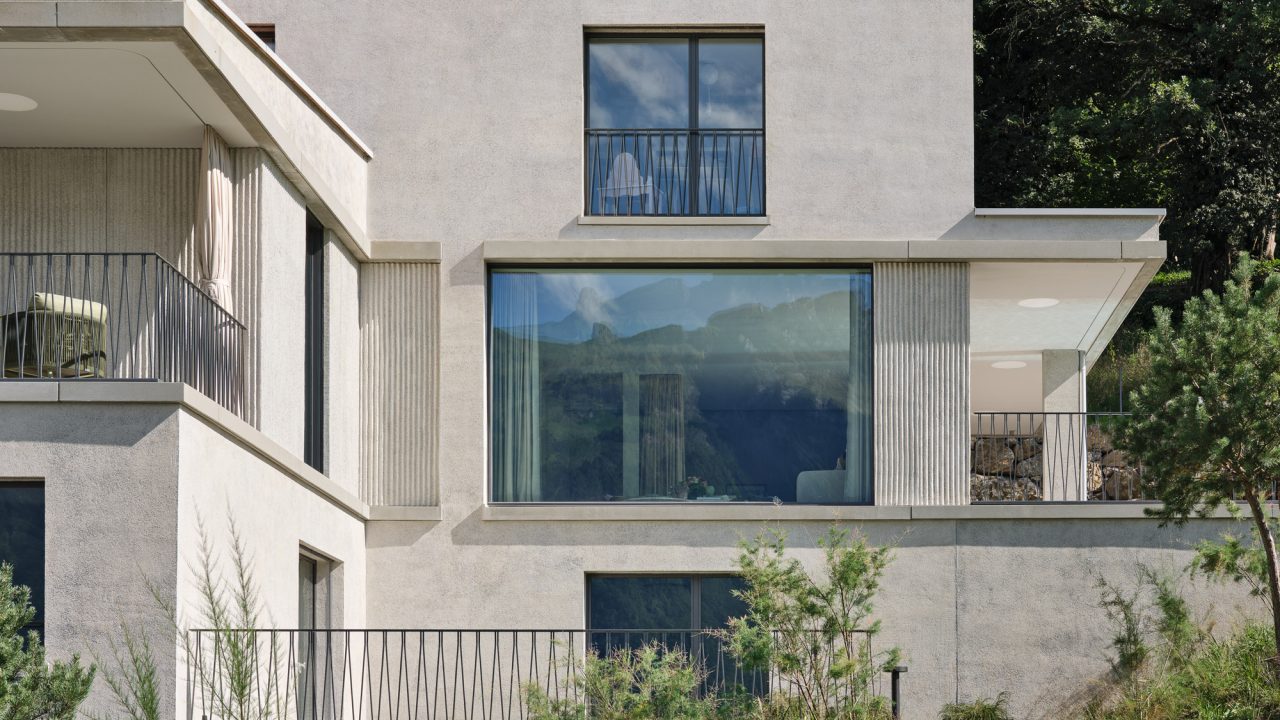
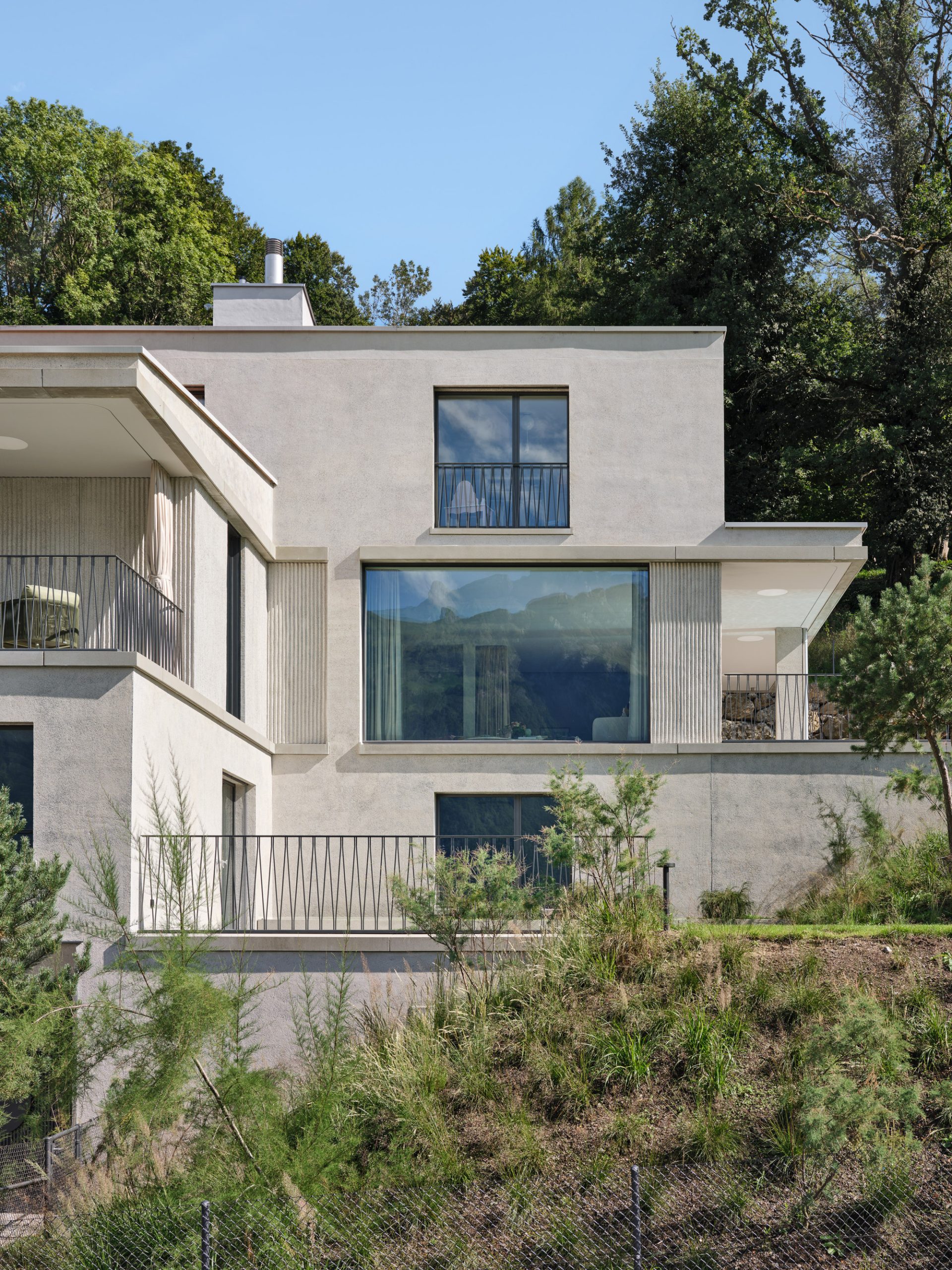
Studio EH has completed Haus W, a striking residential project located on a steep slope defined by exposed geological strata. From its inception, the site’s unique topography and the local geology were not merely considered constraints but fundamental parameters that shaped the building’s design, spatial organization, and material palette.
The geology of the Säntis Range, characterized by limestone and quartz with distinct grain and tonal variations, directly influenced the architectural expression of Haus W. This deep connection to the earth is evident in both the internal layout and the external materiality of the residence, creating a harmonious and contextually sensitive structure.
Site Integration and Geological Influence
The challenging terrain of the steep slope presented an opportunity for Studio EH to develop a design that is intrinsically linked to its surroundings. The exposed geological formations served as a constant reference point, inspiring a design that respects and responds to the natural landscape. The choice of materials directly reflects the local stone, with limestone and quartz playing a pivotal role in defining the building’s character. This approach not only grounds the architecture in its specific place but also imbues it with a sense of permanence and authenticity. The grain and dark tonal variations of the Säntis Range’s geology are translated into the building’s spatial qualities and its tactile surfaces, offering a rich sensory experience for its inhabitants.
Materiality and Spatial Organization
The predominant use of local limestone and quartz is central to Haus W’s design narrative. These materials are not merely decorative but form an integral part of the building’s structure and aesthetic identity. The architects have leveraged the inherent properties of these stones, such as their texture, color, and durability, to create a cohesive and robust architectural statement. The spatial organization within Haus W likely responds to the natural contours of the slope, potentially featuring multi-level living spaces that engage with the dramatic views and the geological features. The interplay between exposed stone elements and other construction materials, such as glass and concrete, would further define the interior and exterior environments, creating a dialogue between the raw, natural elements and refined architectural interventions.
Architectural Practice and Context
Studio EH, the architectural firm behind Haus W, is known for its thoughtful approach to design, often emphasizing site-specific solutions and material innovation. The project in Gamprin-Bendern, Liechtenstein, appears to be a testament to their commitment to creating architecture that is both aesthetically compelling and deeply rooted in its context. The firm’s engagement with the geological characteristics of the Säntis Range suggests a design philosophy that values the inherent qualities of place and material. This project contributes to the discourse on contemporary residential architecture, particularly in challenging terrains, showcasing how natural formations can be a source of inspiration for innovative design solutions.
The firm’s portfolio often features projects that explore the relationship between built form and the natural environment, and Haus W seems to be a prime example of this ongoing exploration. The use of materials like glass and concrete alongside the dominant stone elements likely serves to highlight the natural stone, allowing its texture and color to take center stage while also providing structural support and contrasting visual interest.
Impact on Architecture and Design
Haus W exemplifies how a site’s geological characteristics can be a powerful driver for architectural design, moving beyond conventional aesthetic considerations to inform the very essence of a building. This approach offers valuable insights for architects and designers working with similarly challenging or geologically rich sites, demonstrating the potential for creating deeply contextual and materially honest architecture. The project also highlights the ongoing interest in utilizing local and natural materials in contemporary construction, aligning with broader trends towards sustainable and contextually aware design practices.
For residents, the home offers a unique living experience, one that is intimately connected to the surrounding landscape and its geological history. The tactile and visual qualities of the limestone and quartz would likely create a serene and grounding atmosphere. For urban planners and developers, projects like Haus W serve as important case studies in how to integrate new constructions into sensitive or dramatic natural environments responsibly and creatively. The success of this project could encourage further exploration of site-specific design principles in regional development.
The project’s location in Liechtenstein, a country known for its stunning alpine scenery, further underscores the significance of its integration with the natural environment. Haus W stands not as an imposition on the landscape, but as a considered response to it, a structure that emerges from and celebrates its geological setting.
Key facts
- Project Name: Haus W
- Architect: Studio EH
- Location: Gamprin-Bendern, Liechtenstein
- Site Condition: Steep slope with exposed geological strata
- Primary Materials: Limestone, Quartz, Glass, Concrete
- Project Type: Residential
The building’s thoughtful engagement with its site and materials not only defines its unique architectural identity but also offers a compelling example of how contemporary design can foster a profound connection between inhabitants and their environment. The project’s success lies in its ability to translate the raw beauty and structural integrity of the local geology into a sophisticated and livable home, setting a precedent for site-responsive architecture.
Source: ArchDaily
https://www.archdaily.com/1041745/haus-w-studio-eh
Source
ArchDaily Original publication: 2026-05-24T09:00:00+00:00
Related news

When Film Directors Become Interior Designers: Guadagnino, Lynch, Anderson and Almodóvar Step Off Screen
From Luca Guadagnino’s Zara Home collection to David Lynch’s Paris club and Wes Anderson’s train carriage, a wave of collaborations is blurring…
Read more
Jesus Mari Lazkano Examines Changing Landscapes Through Painting and Animated Film at Basque Luxury Studio
The Basque artist’s exhibition ‘Azken Natura’ brings together six large-scale paintings and a 22-minute animated film that traces the melting of the…
Read more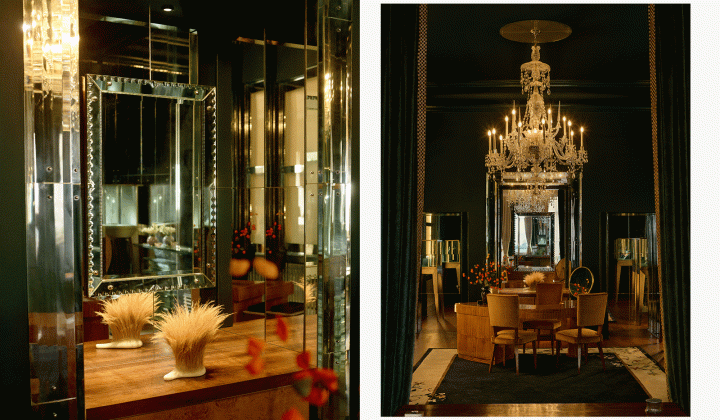
Glenn Spiro opens intimate jewellery atelier in Mayfair with designer Valerie Name Bolaño
The London jewellery house’s new boutique at 26 Bruton Street blends antiques, bespoke furniture and a monochrome palette to create a residential…
Read more
RIBA International Prize 2026 Shortlist Announced: Four Projects Vie for World’s Best Building
The Royal Institute of British Architects has revealed four projects competing for the 2026 International Prize, marking the award’s tenth anniversary with…
Read moreRelated wiki
Adaptive Reuse in Architecture
Reference page for reuse, retrofit, conversion, embodied carbon and design constraints.
Read more