Wild Form Designs “No Straight Lines” Bar Near New York’s Stonewall Inn
New York-based Wild Form Design Studio has created a sculptural interior for the new bar, Love Thy Neighbor, located adjacent to the historic Stonewall Inn, aiming to celebrate the queer community.

A new bar named Love Thy Neighbor has opened in New York’s West Village, featuring a distinctly sculptural interior designed by the local firm Wild Form Design Studio. Positioned directly next to the landmark Stonewall Inn, the bar aims to be a space that “celebrates the queer community.” Its opening precedes New York City’s Pride celebrations, underscoring its thematic connection to LGBTQ+ history and culture.
The design concept, as articulated by Wild Form, deliberately eschews “no straight lines,” opting for organic, flowing forms throughout the space. This approach creates a dynamic and immersive environment that departs from conventional bar aesthetics. The choice of materials and the fluid arrangement of furniture and architectural elements contribute to a tactile and visually engaging experience for patrons.
Por que importa
Love Thy Neighbor’s proximity to the Stonewall Inn is significant. The Stonewall Inn is a federally recognized National Historic Landmark, the site of pivotal protests in 1969 that are widely considered a turning point for the LGBTQ+ rights movement in the United States. By situating itself adjacent to this historic location, Love Thy Neighbor is positioned not just as a place for social gathering, but also as a contemporary tribute and a space for continued community affirmation.
Wild Form Design Studio, known for its innovative approach to spatial design, has applied its signature aesthetic to the hospitality sector with this project. The studio’s philosophy often involves creating environments that are both functional and artistically expressive, pushing the boundaries of conventional interior architecture. The design for Love Thy Neighbor appears to be a direct manifestation of this ethos, translating abstract concepts of celebration and community into a tangible architectural form.
Contexto
The bar’s opening ahead of Pride weekend in New York adds a timely layer to its cultural significance. Pride events globally commemorate the progress and ongoing struggles for LGBTQ+ rights, and spaces like Love Thy Neighbor contribute to the visibility and support of the community. The design itself, with its embrace of fluidity and form, can be interpreted as a metaphor for the diverse and evolving nature of identity and community.
While specific details about the materials used and the precise layout of the bar are not extensively detailed in the provided summary, the emphasis on a “sculptural interior” and the absence of straight lines suggests a significant investment in custom fabrication and a departure from off-the-shelf design solutions. This focus on bespoke elements likely contributes to the unique character of the space, making it a distinct addition to the West Village’s vibrant social landscape. The project highlights a growing trend in hospitality design where the physical environment plays a crucial role in conveying a brand’s message and fostering a specific atmosphere for its clientele.
Key facts:
| Feature | Detail |
|—|—|
| Venue Name | Love Thy Neighbor |
| Location | West Village, New York |
| Designer | Wild Form Design Studio |
| Proximity | Adjacent to The Stonewall Inn |
| Design Concept | “No straight lines,” sculptural interior |
| Significance | Celebrates the queer community, opens ahead of Pride |
The development of Love Thy Neighbor offers a tangible example of how contemporary design can engage with history and community identity. For readers interested in urban development, LGBTQ+ spaces, and innovative interior architecture, the project demonstrates how design can serve as both an aesthetic expression and a statement of cultural support. The studio’s commitment to a non-traditional design language, opting for organic and sculptural forms, provides a case study in creating environments that are both visually striking and thematically resonant.
Source: Dezeen – https://www.dezeen.com/2026/06/27/wild-form-design-studio-love-thy-neighbor-west-village-nyc/
Datos clave
| Punto | Detalle |
|---|---|
| Fuente | Dezeen |
| Fecha | 2026-06-27T17:00:42+00:00 |
| Tema | Wild Form designs with "no straight lines" for bar next to New York's Stonewall Inn |
Source
Dezeen Original publication: 2026-06-27T17:00:42+00:00
Related news
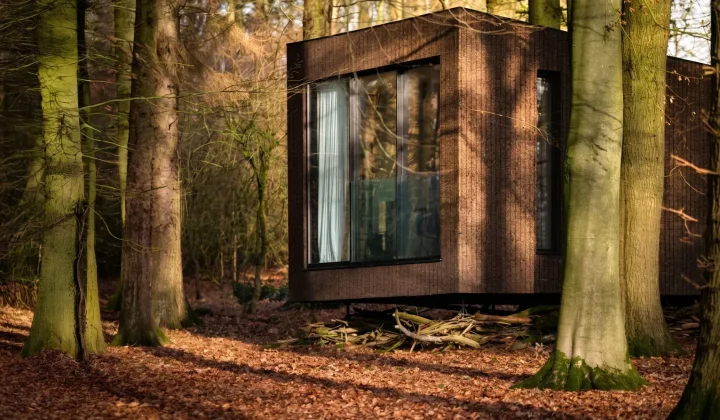
Koto launches Haku, a mobile prefab hotel suite built on a wheeled chassis to bypass UK planning restrictions
UK architecture studio Koto has unveiled Haku, a fully mobile prefabricated suite that legally qualifies as a caravan, allowing landowners and hotel…
Read more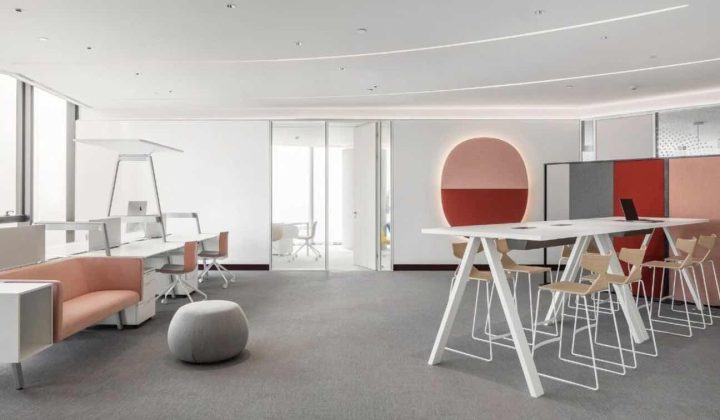
HONG Designworks Completes Private Office in Xi’an That Balances Memory, Materiality, and Long-Term Use
The Xi’an office by HONG Designworks integrates a folded steel staircase, retained furniture from a previous workspace, and a restrained purple-gray palette…
Read more
Handwoven Teak and Cord Outdoor Seating Debuts from Masaya and Abril Zepeda
Nicaraguan furniture brand Masaya has introduced two new handcrafted outdoor chairs — a rocking chair and a lounge chair — designed by…
Read more
Place in Mind: Hendricks Churchill Launches Hospitality Group to Revive Historic Properties
The architecture and interior design studio Hendricks Churchill has launched Place in Mind, a new hospitality group focused on acquiring, restoring, and…
Read moreRelated wiki

Adaptive Reuse in Architecture
Reference page for reuse, retrofit, conversion, embodied carbon and design constraints.
Read more