
Human Haus TN: Tainan Townhouse Reimagined as a Sequential Retail Experience
Minuspluse Design has revitalized a traditional townhouse in Tainan, Taiwan, transforming it into a contemporary retail space that emphasizes architectural sequence and the dialogue between old and new.
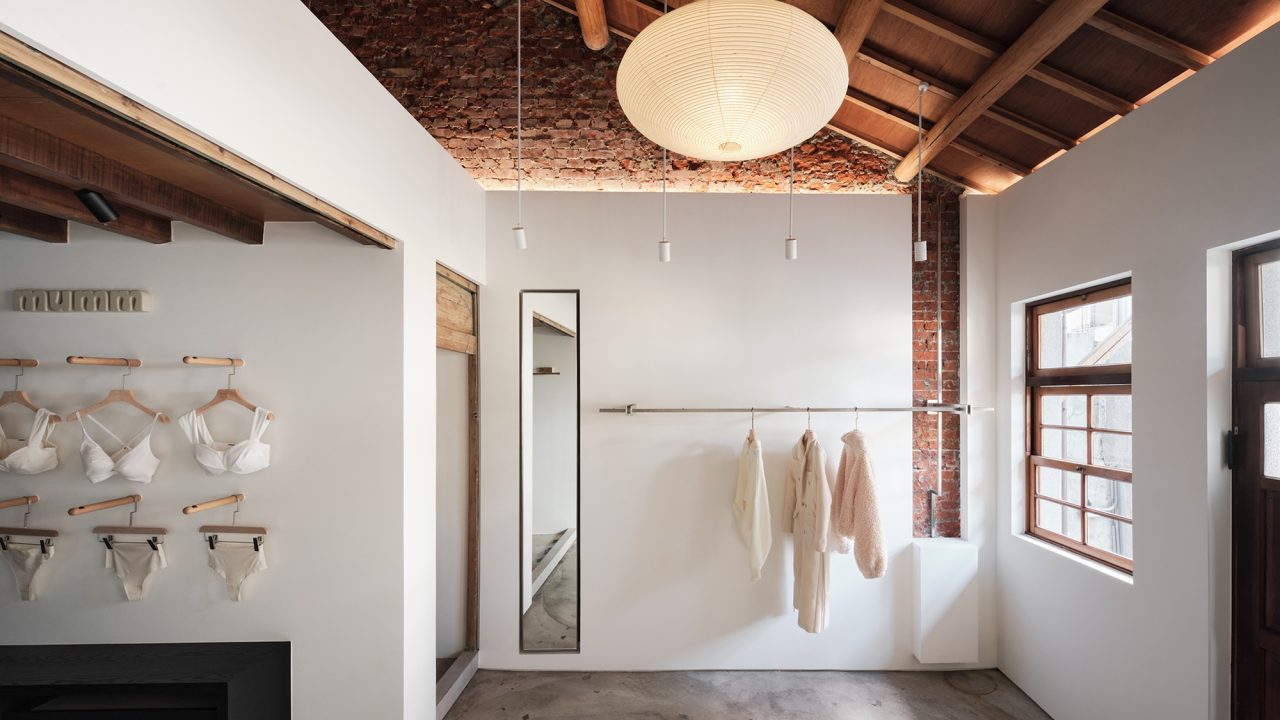
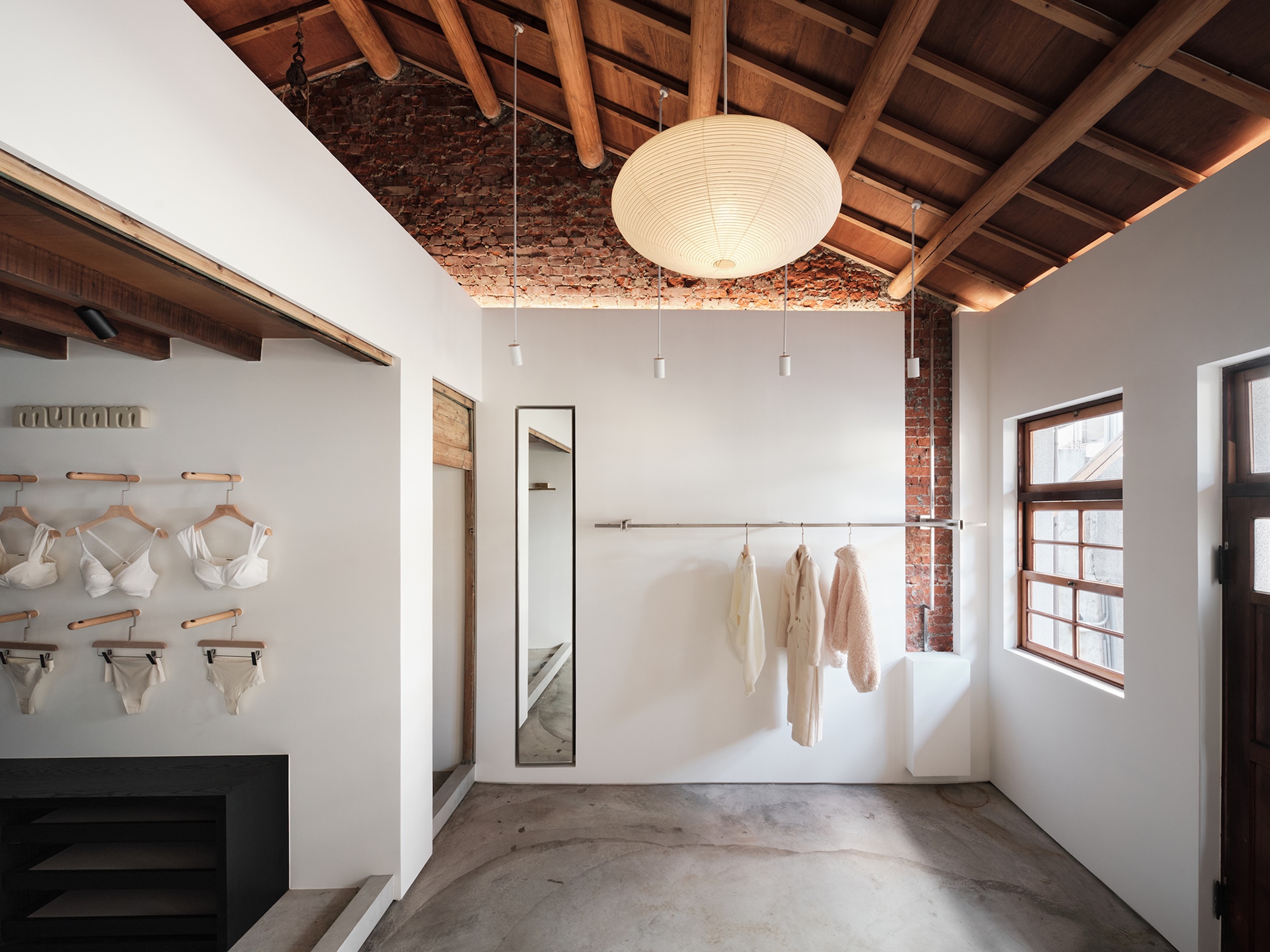
Minuspluse Design has breathed new life into a traditional townhouse in Tainan, Taiwan, with the Human Haus TN project. This adaptive reuse initiative transforms the historic structure into a contemporary retail space, meticulously designed to highlight architectural sequence and the interplay between the building’s past and its present transformation. The architects’ approach prioritizes minimal intervention, aiming to preserve the inherent character of the original townhouse while introducing a distinct new spatial experience.
Preservation of Historic Fabric
The design philosophy behind Human Haus TN centers on respecting and retaining the essential elements of the existing structure. Exposed brick walls, a hallmark of traditional Taiwanese architecture, have been carefully preserved, offering a tactile and visual connection to the building’s history. Similarly, the original timber roof framing remains a prominent feature, contributing to the authentic atmosphere of the space. The proportions of the original townhouse have also been maintained, ensuring that the new interventions complement rather than overwhelm the existing architectural language. This meticulous preservation allows the building itself to narrate a story of its temporal evolution.
A New Spatial Layer
Integral to the project is the insertion of a crisp white volume, which acts as a new spatial layer within the townhouse. This contemporary addition provides a clean, minimalist counterpoint to the rough texture of the exposed brick, creating a dynamic visual and spatial contrast. The strategic removal of certain ceilings and walls serves a dual purpose: it reveals the original structural elements, allowing them to be appreciated anew, and it facilitates the seamless integration of the new volume. This selective deconstruction enhances the sense of depth and sequence as one moves through the retail space, inviting exploration and discovery.
Architectural Sequence as a Design Driver
The concept of architectural sequence is central to the Human Haus TN experience. By carefully orchestrating the visitor’s journey through the space, Minuspluse Design has created a narrative flow that unfolds with each step. The interplay between the preserved historic elements and the new, clean-lined interventions guides the user, revealing different facets of the building’s history and the retail offerings. The selective opening up of spaces and the introduction of the white volume create a series of distinct moments, transforming a simple retail environment into an immersive architectural experience. The building, in its revealed and layered state, becomes a “temporal section,” showcasing its history and transformation.
Retail Integration and User Experience
The transformation of the townhouse into a retail space required a thoughtful approach to functionality and user experience. The design ensures that the historic character enhances, rather than hinders, the retail operations. The preserved elements add a unique ambiance that differentiates the space from conventional retail environments. The crisp white volume provides a neutral backdrop for product display, allowing merchandise to stand out while maintaining the overall aesthetic integrity of the design. The sequential arrangement of spaces encourages a leisurely exploration of the offerings, making the shopping experience an engaging architectural journey.
The project demonstrates how adaptive reuse can be a powerful tool for revitalizing urban heritage while creating relevant contemporary spaces. Human Haus TN stands as an example of sensitive design intervention, where respect for the past informs a forward-looking spatial strategy. It offers a model for how traditional buildings can be re-contextualized for modern use, preserving their soul while adapting to new functional demands.
Key facts
- Project Name: Human Haus TN
- Architects: Minuspluse Design
- Location: Tainan, Taiwan
- Building Type: Traditional Townhouse Adaptive Reuse (Retail)
- Design Approach: Minimal intervention, preservation, new volume insertion
This project offers valuable insights for architects and designers engaged in adaptive reuse, particularly in historic urban contexts. It highlights the potential of minimal intervention to unlock the latent value of existing structures and create compelling contemporary spaces. For urban planners and city dwellers, Human Haus TN demonstrates a sensitive approach to heritage preservation that integrates old buildings into the fabric of modern life. The project also provides a case study in how architectural sequence can enhance the user experience in retail environments, turning a commercial space into an engaging destination. Material researchers might find interest in the preserved brickwork and timber framing, juxtaposed against the clean, modern insertions.
Source: Human Haus TN / Minuspluse Design, ArchDaily, https://www.archdaily.com/1041763/human-haus-tn-minuspluse-design
Source
ArchDaily Original publication: 2026-05-23T17:00:00+00:00
Related news
HONG Designworks Completes Private Office in Xi’an That Balances Memory, Materiality, and Long-Term Use
The Xi’an office by HONG Designworks integrates a folded steel staircase, retained furniture from a previous workspace, and a restrained purple-gray palette…
Read more
Handwoven Teak and Cord Outdoor Seating Debuts from Masaya and Abril Zepeda
Nicaraguan furniture brand Masaya has introduced two new handcrafted outdoor chairs — a rocking chair and a lounge chair — designed by…
Read more
Place in Mind: Hendricks Churchill Launches Hospitality Group to Revive Historic Properties
The architecture and interior design studio Hendricks Churchill has launched Place in Mind, a new hospitality group focused on acquiring, restoring, and…
Read more
Adalberto Dias Architects Complete Restoration of Lisbon’s Patriarchal Cathedral and Archaeological Center
The restoration of the Sé de Lisboa by Adalberto Dias Arquitecto integrates a new archaeological center, preserved cloisters, and seven centuries of…
Read moreRelated wiki
Adaptive Reuse in Architecture
Reference page for reuse, retrofit, conversion, embodied carbon and design constraints.
Read more