Large-Format Graphics Reshape Commercial Architecture with Enhanced Branding and Immersive Experiences
Architects are increasingly leveraging large-format graphics to transform commercial spaces, integrating dynamic branding, wayfinding, and immersive visual solutions that go beyond traditional building design.
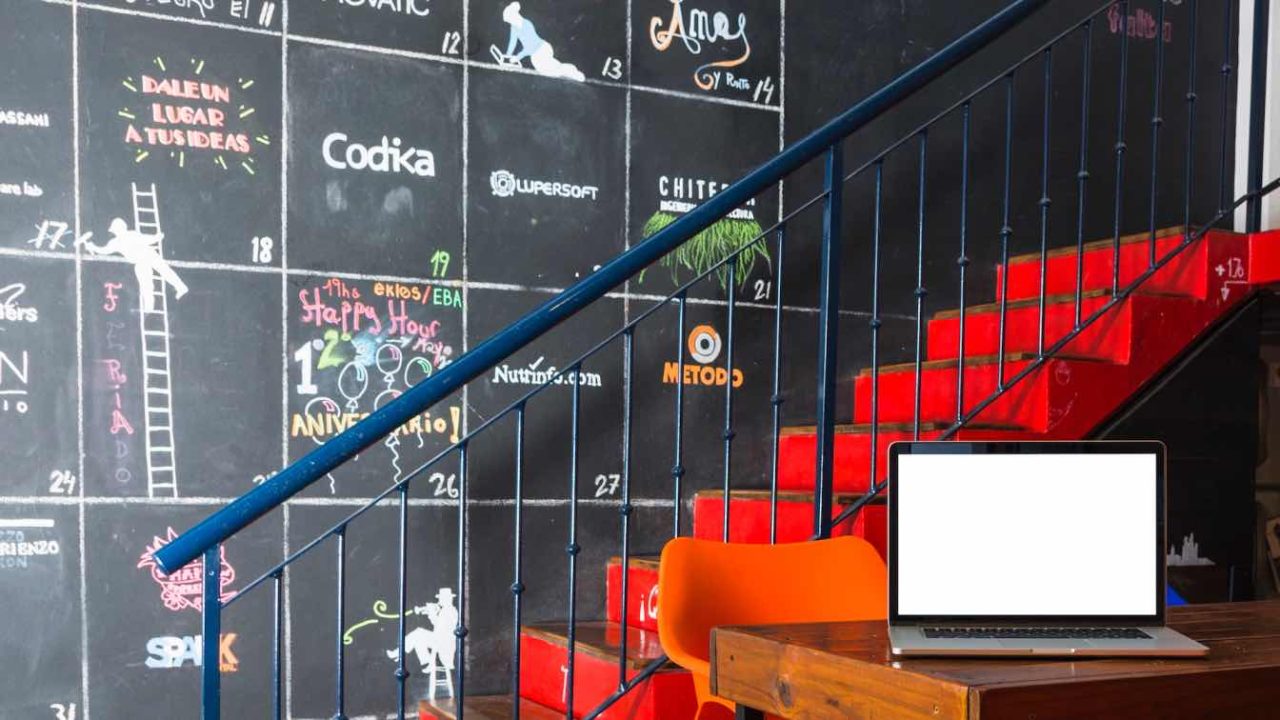
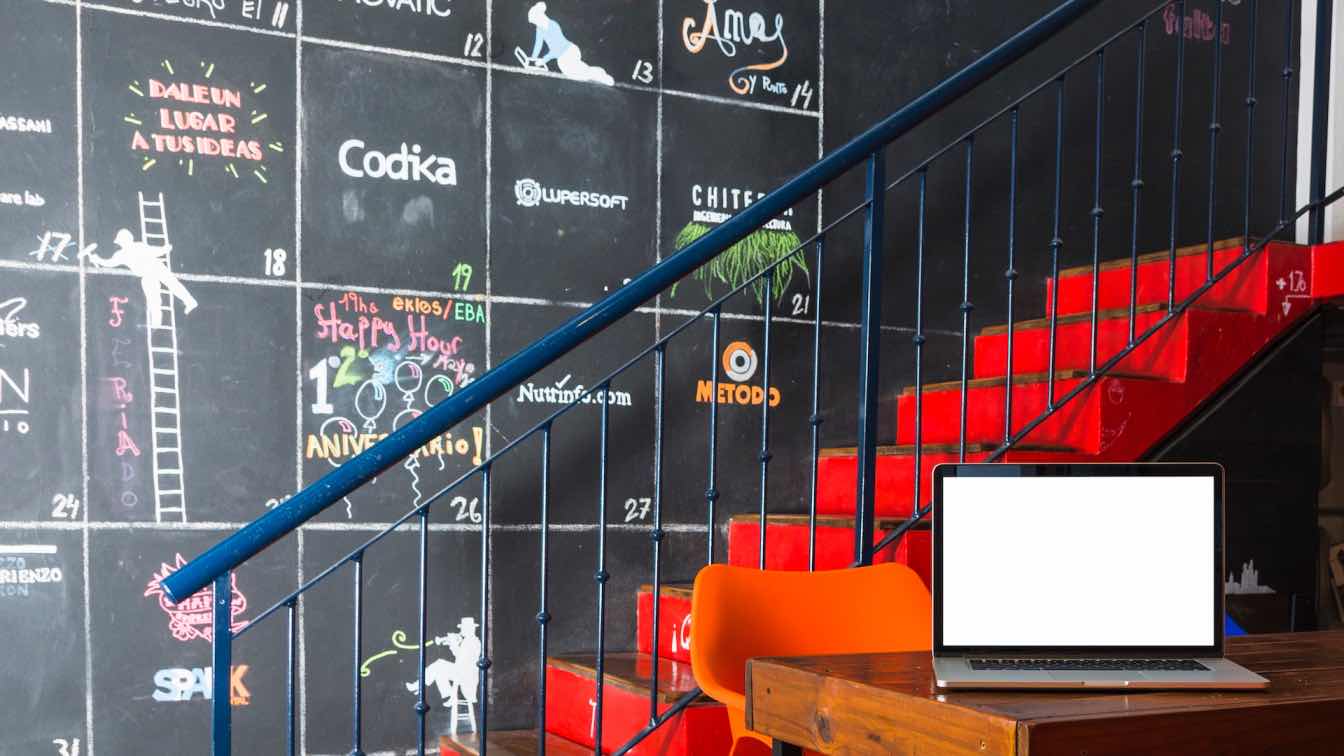
Commercial architecture is evolving beyond mere functionality, with a growing emphasis on conveying brand messages and delivering immersive experiences. Large-format graphics have emerged as a pivotal tool in this transformation, enabling architects and designers to imbue buildings and public spaces with dynamic visual narratives. These expansive printed elements, ranging from building wraps and murals to window graphics and signage, are becoming integral to retail stores, exhibition halls, and office environments.
The integration of large-format graphics allows ordinary surfaces to become powerful branding instruments, fostering professional and attractive atmospheres. Whether applied to building exteriors, interior walls, or textiles, these visuals significantly impact aesthetics and brand recognition. As printing technologies advance, opportunities for incorporating these graphics into commercial projects of all scales continue to expand, offering a flexible and impactful approach to design.
Enhanced Brand Visibility
A primary driver for the adoption of large-format graphics in commercial projects is the enhancement of brand exposure. These graphics often serve as a company’s first point of contact with clients, capable of instantly communicating a powerful visual identity. In competitive markets, a strong visual presence established through graphics can differentiate a business and create a memorable impression.
Wayfinding and Navigation
In large commercial buildings, effective wayfinding systems are crucial for guiding visitors. Large-format graphics are instrumental in creating these systems, with directional signage, floor graphics, wall-mounted guides, and informational displays seamlessly integrated into the architectural design. This functional application of graphics not only aids navigation but also contributes to the overall visual environment, enhancing the visitor experience.
Flexibility and Cost-Effectiveness
Compared to extensive structural renovations, large-format graphics offer a more cost-effective method for updating the aesthetic of commercial interiors and exteriors. As brands evolve, businesses can readily replace graphics to reflect new messaging or imagery, avoiding the need for permanent architectural alterations. This adaptability makes them a valuable resource for commercial property owners and designers seeking dynamic and responsive design solutions.
Inspiring Workspaces and Company Culture
In corporate offices, large-format graphics are increasingly employed to design inspiring and engaging workspaces. Wall graphics and textile displays can effectively incorporate company values, mission statements, and brand imagery, fostering a stronger sense of company culture and identity. These visual elements can boost employee engagement and reinforce the organization’s ethos within the physical environment.
Retail and Mixed-Use Developments
Shopping malls and mixed-use developments benefit significantly from large-format graphics for both branding and navigation. Large banners, integrated digital displays, and promotional graphics contribute to vibrant environments and aid in tenant marketing programs. For property managers, these graphics enhance the overall visitor experience and can be a key component in creating attractive commercial hubs.
Exhibition and Event Spaces
For trade shows and event venues, attention-grabbing displays are essential. Large-format graphics are a vital part of exhibition stands, event stages, and promotional installations, ensuring maximum impact in competitive environments. Their ability to be produced in any size, shape, or design provides significant creative freedom for designers.
Design Freedom and Architectural Integration
The inherent flexibility of large-format graphics allows architects and designers considerable freedom. They can be used to accentuate architectural features without detracting from them, and their adaptability ensures easy updates and modifications. This makes them ideal for evolving brand identities or seasonal campaigns, offering simple and cost-effective updates through systems like textile frames and modular displays.
Visual Aesthetics and Marketing Opportunities
Graphics can transform any flat surface into an interesting design element, becoming part of a building’s overall design strategy. High-quality graphics add color, texture, and visual interest, reinforcing branding objectives. Exterior graphics, window displays, and building wraps extend a business’s communication with its customers beyond traditional advertising methods, turning architectural surfaces into powerful promotional opportunities.
Sustainability in Graphics
The architecture and graphics industries are increasingly prioritizing sustainability. Many manufacturers now supply green products and utilize eco-friendly manufacturing processes. Common sustainable practices include using recyclable graphic materials, water-based inks, energy-efficient printing technologies, reusable display systems, and waste-reducing processes. This focus allows organizations to meet both their visual goals and environmental concerns, with many modern textile graphics being lightweight and reusable, reducing transportation impacts.
Key facts:
| Feature | Description |
| :———————– | :————————————————————————————————————– |
| Role in Commercial Arch. | Enhances branding, provides immersive experiences, and improves navigation. |
| Applications | Retail, offices, exhibition halls, shopping malls, event spaces, building wraps, murals, window graphics. |
| Benefits | Increased brand visibility, cost-effective updates, enhanced employee engagement, design flexibility. |
| Sustainability | Use of recyclable materials, water-based inks, energy-efficient printing, and reusable systems. |
The growing adoption of large-format graphics signifies a shift in commercial architecture towards a more dynamic, brand-centric, and experiential approach. These visual solutions offer architects and businesses a powerful means to communicate identity, engage audiences, and adapt to evolving market demands, all while increasingly incorporating sustainable practices.
Source: Amazing Architecture – The Growing Role of Large-Format Graphics in Commercial Architecture (https://amazingarchitecture.com/articles/the-growing-role-of-large-format-graphics-in-commercial-architecture)
Datos clave
| Punto | Detalle |
|---|---|
| Fuente | Amazing Architecture |
| Fecha | 2026-06-25T20:10:10+00:00 |
| Tema | The Growing Role of Large-Format Graphics in Commercial Architecture |
Source
Amazing Architecture Original publication: 2026-06-25T20:10:10+00:00
Related news
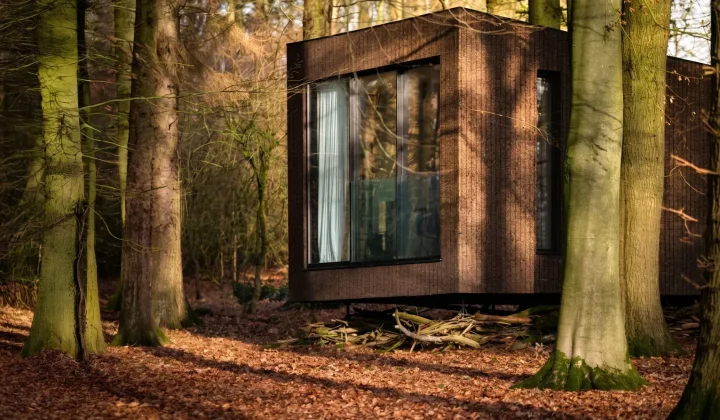
Koto launches Haku, a mobile prefab hotel suite built on a wheeled chassis to bypass UK planning restrictions
UK architecture studio Koto has unveiled Haku, a fully mobile prefabricated suite that legally qualifies as a caravan, allowing landowners and hotel…
Read more
HONG Designworks Completes Private Office in Xi’an That Balances Memory, Materiality, and Long-Term Use
The Xi’an office by HONG Designworks integrates a folded steel staircase, retained furniture from a previous workspace, and a restrained purple-gray palette…
Read more
Handwoven Teak and Cord Outdoor Seating Debuts from Masaya and Abril Zepeda
Nicaraguan furniture brand Masaya has introduced two new handcrafted outdoor chairs — a rocking chair and a lounge chair — designed by…
Read more
Place in Mind: Hendricks Churchill Launches Hospitality Group to Revive Historic Properties
The architecture and interior design studio Hendricks Churchill has launched Place in Mind, a new hospitality group focused on acquiring, restoring, and…
Read moreRelated wiki

Adaptive Reuse in Architecture
Reference page for reuse, retrofit, conversion, embodied carbon and design constraints.
Read more