
Orient Express Venezia Opens in Historic Venetian Palazzo
A 15th-century palazzo in Venice's Cannaregio district has been meticulously restored and transformed into the opulent Orient Express Venezia, blending historical grandeur with contemporary design.
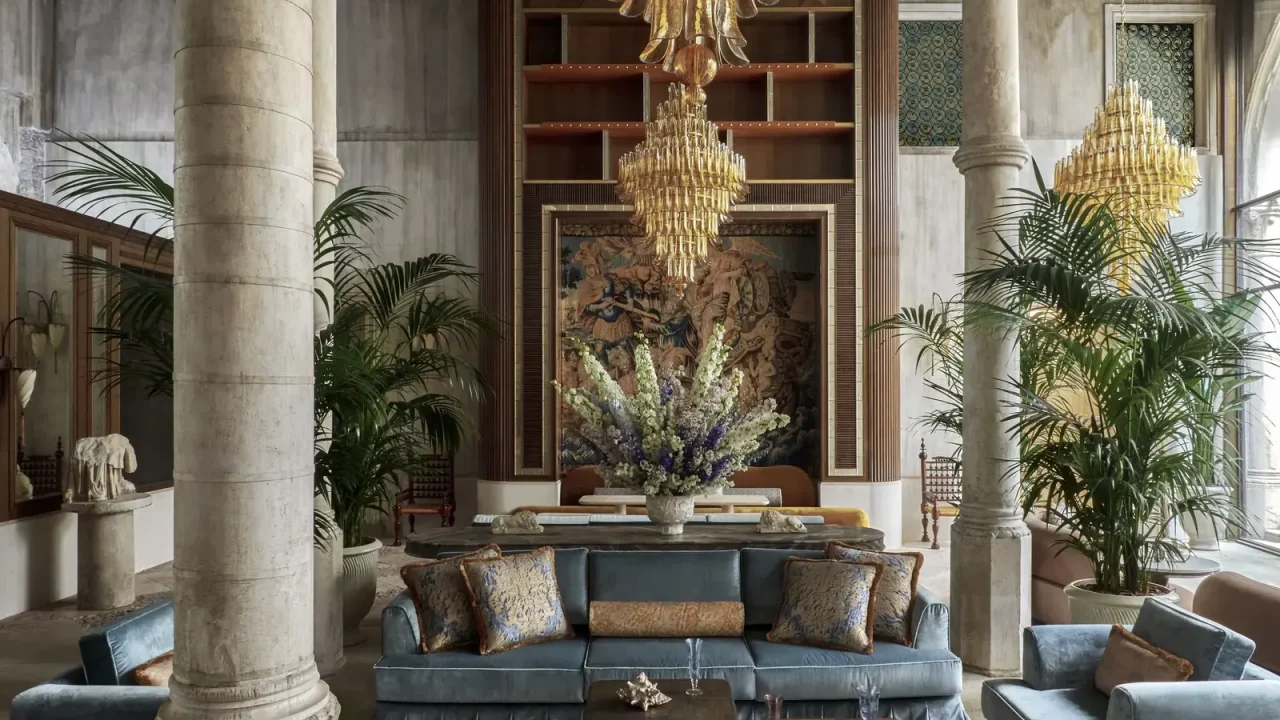
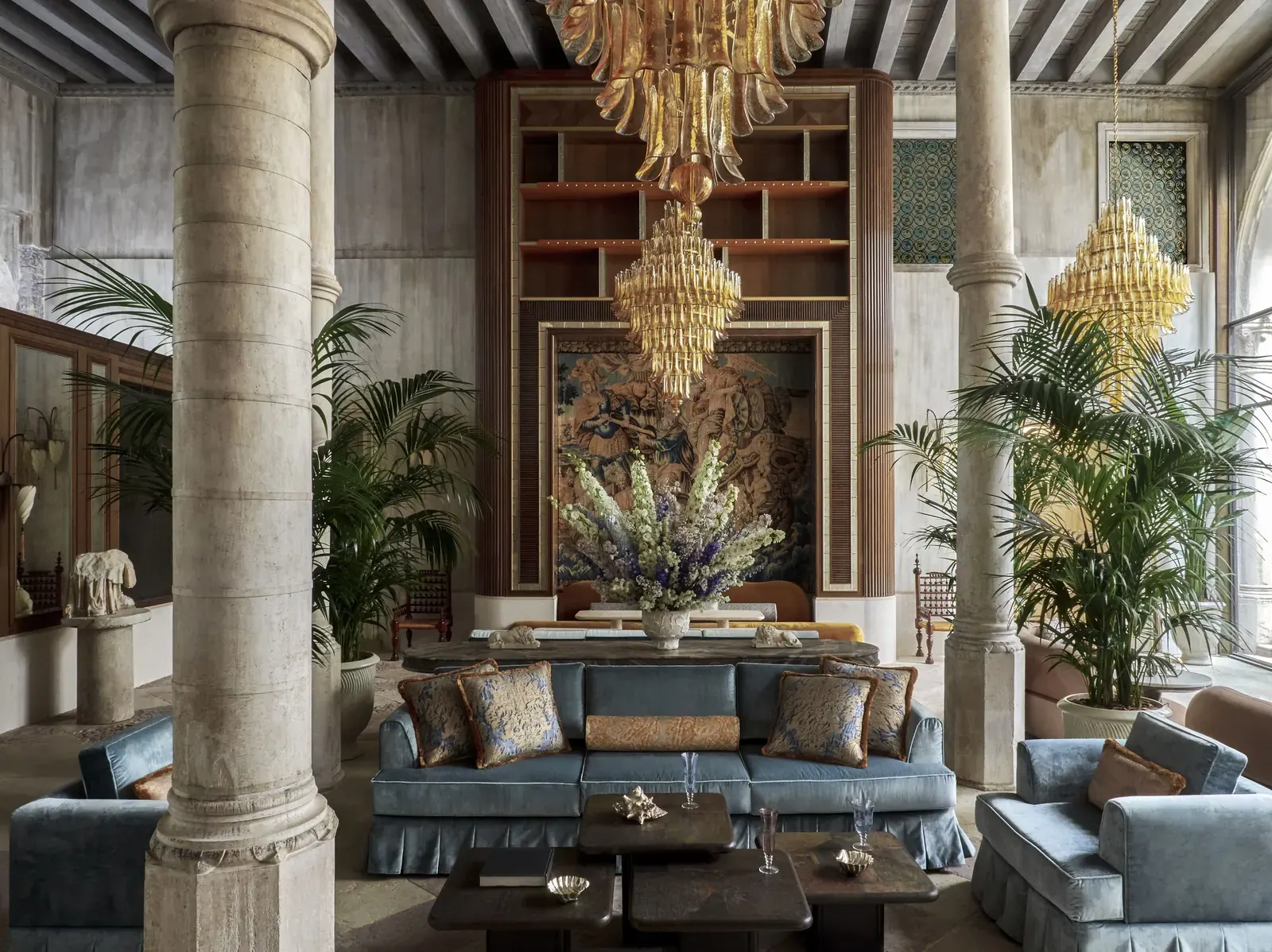
Venice’s Cannaregio district, known for its authentic local life, now boasts a new jewel: the Orient Express Venezia. Housed within the 15th-century Palazzo Donà Giovannelli, the hotel marks a significant restoration and transformation, aiming to offer a theatrical and luxurious experience that honors its rich past.
A Grand Entrance
The hotel embraces the Venetian tradition of having dual entrances, with the water-based arrival being the preferred and most dramatic. As guests approach by boat through the Cannaregio canals, the palazzo’s blush-pink façade rises from the water. A discreet doorman welcomes visitors, ushering them into a world of frescoed ceilings, intricate stucco work, and Murano chandeliers. This entrance sets the stage for an immersive experience within a neighborhood that, while not as grand as San Marco, retains a genuine Venetian character.
A Storied History
The Palazzo Donà Giovannelli, originally built in 1436 during the height of the Venetian Republic, has a long history of housing noble families and serving as a cultural hub. In the mid-19th century, architect Giovanni Battista Meduna introduced neo-Gothic interiors, including a striking octagonal staircase and lavish reception rooms that remain highlights of the palazzo.
Restoration and Reimagining
Lebanese architect and designer Aline Asmar d’Amman led the transformation of the palazzo into the Orient Express Venezia. The extensive restoration was a decade-long endeavor, involving complex interventions such as drying the foundations, building a temporary dam around the façade, and meticulously treating each stone. Hundreds of artisans contributed to the project, working on fresco restoration, sculpture, gilding, and woodwork. Asmar d’Amman aimed to create a “living story” rather than a museum piece, integrating original frescoes with modern elements like mirrored walls, silk, velvet, and embossed leather juxtaposed against patinated plaster, carved timber, and time-worn stone.
A Palette of “Lost Colours”
The interior design draws inspiration from Venice’s “lost colours”—the vibrant reds, ochres, blues, and greens that once characterized the city, now softened by centuries of sea air. Asmar d’Amman has woven these hues throughout the hotel’s upholstery, curtains, and finishes. The public spaces, particularly the sorbet-hued Salone Vittoria and the Sala della Cultura with its lapis lazuli ceiling, are standout features of the renovation.
Luxurious Suites and Guestrooms
The hotel offers six Signature Suites, the largest spanning 145 square meters. These suites feature original details such as 19th-century frescoes of mythical winged figures and grand marble fireplaces, offering canal views and antique-inspired furnishings. Asmar d’Amman envisioned these spaces to evoke a “cinematic progression” through layers of history. The guestrooms, by contrast, adopt a more subdued palette of coffee tones and pale timber, with fretwork inspired by the Ca’ d’Oro, offering an elegant retreat.
Dining and Refined Experiences
Culinary offerings are divided between the all-day dining at La Casati, inspired by the eccentric Marchesa Luisa Casati, and the more sophisticated Heinz Beck Venezia. La Casati serves seasonal Venetian dishes, from cicchetti to marinated beef. At Heinz Beck Venezia, the three-Michelin-starred chef applies his ingredient-led philosophy to local lagoon produce in the palazzo’s restored orangerie. Cocktails are served at the Wagon Bar, an Art Deco space subtly referencing the golden age of rail travel, a nod to the Orient Express brand.
Tranquil Retreat in the City
One of the most significant luxuries offered by Orient Express Venezia is its rare tranquility within Venice’s bustling tourist center. The hotel features a walled garden, an uncommon amenity in this part of the city, providing a serene escape with fountains, antique gates, and lantern-lit pathways. The spa continues this philosophy, drawing inspiration from Roman, Venetian, and Ottoman traditions to offer a restorative experience.
Key facts
| Feature | Detail |
|———|——–|
| Hotel Name | Orient Express Venezia |
| Location | Palazzo Donà Giovannelli, Cannaregio, Venice |
| Original Building | 15th-century palazzo (1436) |
| Designer | Aline Asmar d’Amman |
| Key Architectural Elements | Neo-Gothic interiors (19th-century), octagonal staircase, original frescoes |
| Dining | La Casati (Venetian), Heinz Beck Venezia (fine dining) |
The opening of Orient Express Venezia represents a significant addition to Venice’s hospitality scene, offering a unique blend of historical preservation and contemporary luxury. For architecture and design enthusiasts, it provides a compelling case study in the sensitive restoration of a historic palazzo, reimagining it for a modern, discerning traveler.
Source: Wallpaper – https://www.wallpaper.com/travel/hotels/orient-express-venezia-review
Datos clave
| Punto | Detalle |
|---|---|
| Fuente | Wallpaper |
| Fecha | 2026-07-10T17:30:30+00:00 |
| Tema | Wallpaper* checks in at Orient Express Venezia, the Floating City’s most theatrical new address |
Source
Wallpaper Original publication: 2026-07-10T17:30:30+00:00
Related news
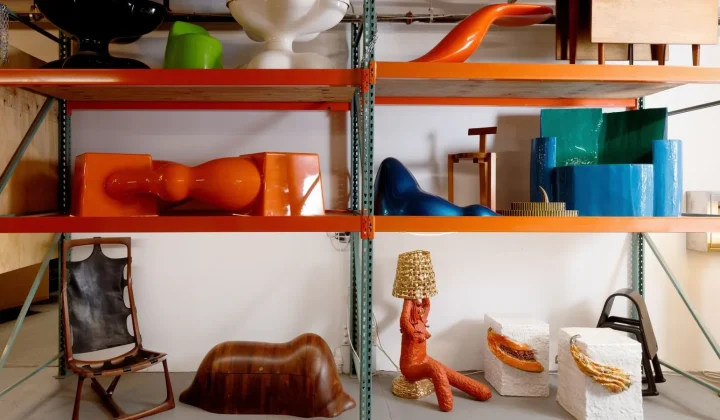
R & Company Opens Its Brooklyn Archive to the Public, Revealing 10 Rare Design Finds
The celebrated design gallery R & Company has opened its 16,000 sq ft storage facility, Building 86, in the Brooklyn Navy Yard…
Read more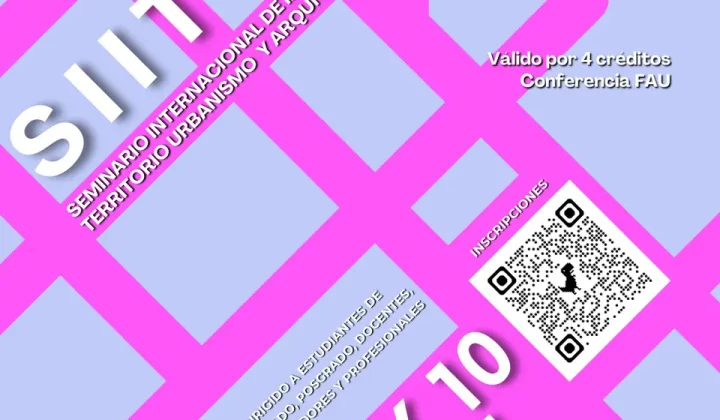
SIITUA III to Gather International Researchers on Territory, Urbanism, and Architecture in Lima
The third edition of the International Seminar on Research in Territory, Urbanism, and Architecture (SIITUA III) will take place in Lima, organized…
Read more
Christopher Kane brings streamlined, heritage-driven vision to Mulberry in London Fashion Week debut
The Scottish designer presented his first collection for the British leather goods house at London Fashion Week, blending sharp tailoring, archival references…
Read more
When Film Directors Become Interior Designers: Guadagnino, Lynch, Anderson and Almodóvar Step Off Screen
From Luca Guadagnino’s Zara Home collection to David Lynch’s Paris club and Wes Anderson’s train carriage, a wave of collaborations is blurring…
Read moreRelated wiki
Adaptive Reuse in Architecture
Reference page for reuse, retrofit, conversion, embodied carbon and design constraints.
Read more