Sauerbruch Hutton Transforms Telekom Tower into Residential Hub in Konstanz
The adaptive reuse of the 1970s Telekom Tower in Konstanz by Sauerbruch Hutton breathes new life into the urban fabric, converting a stark office building into much-needed housing.
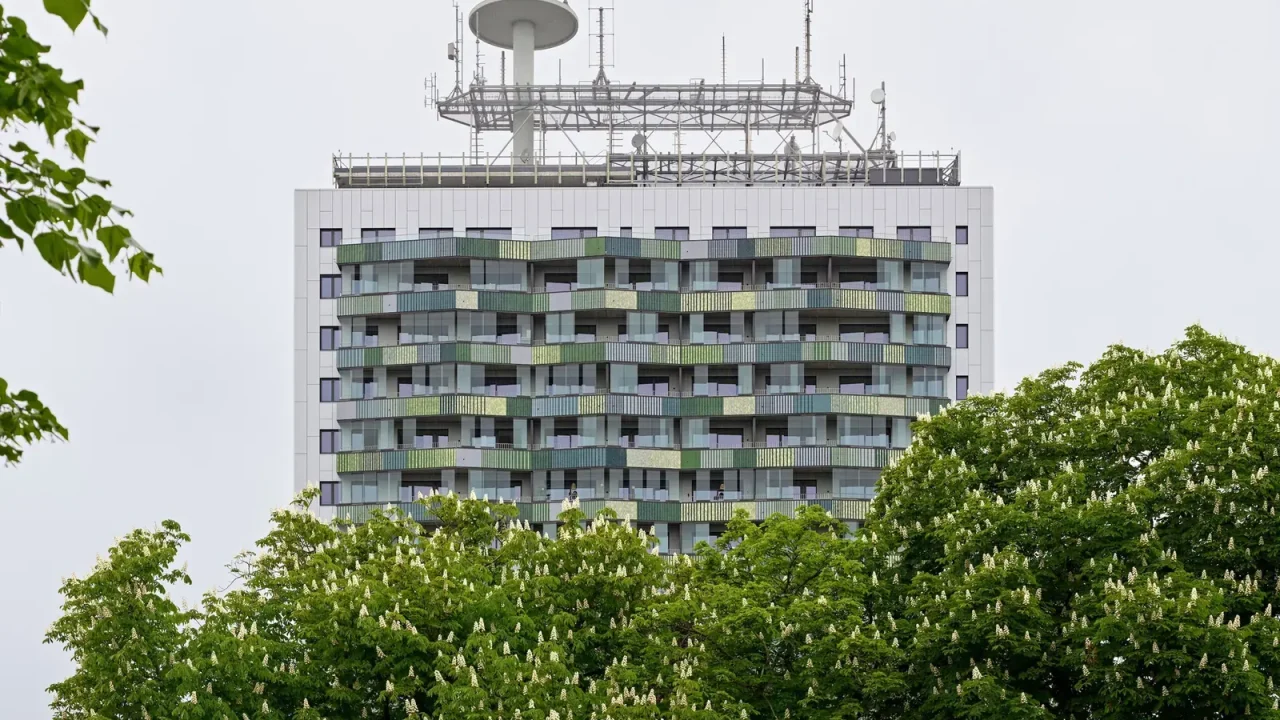
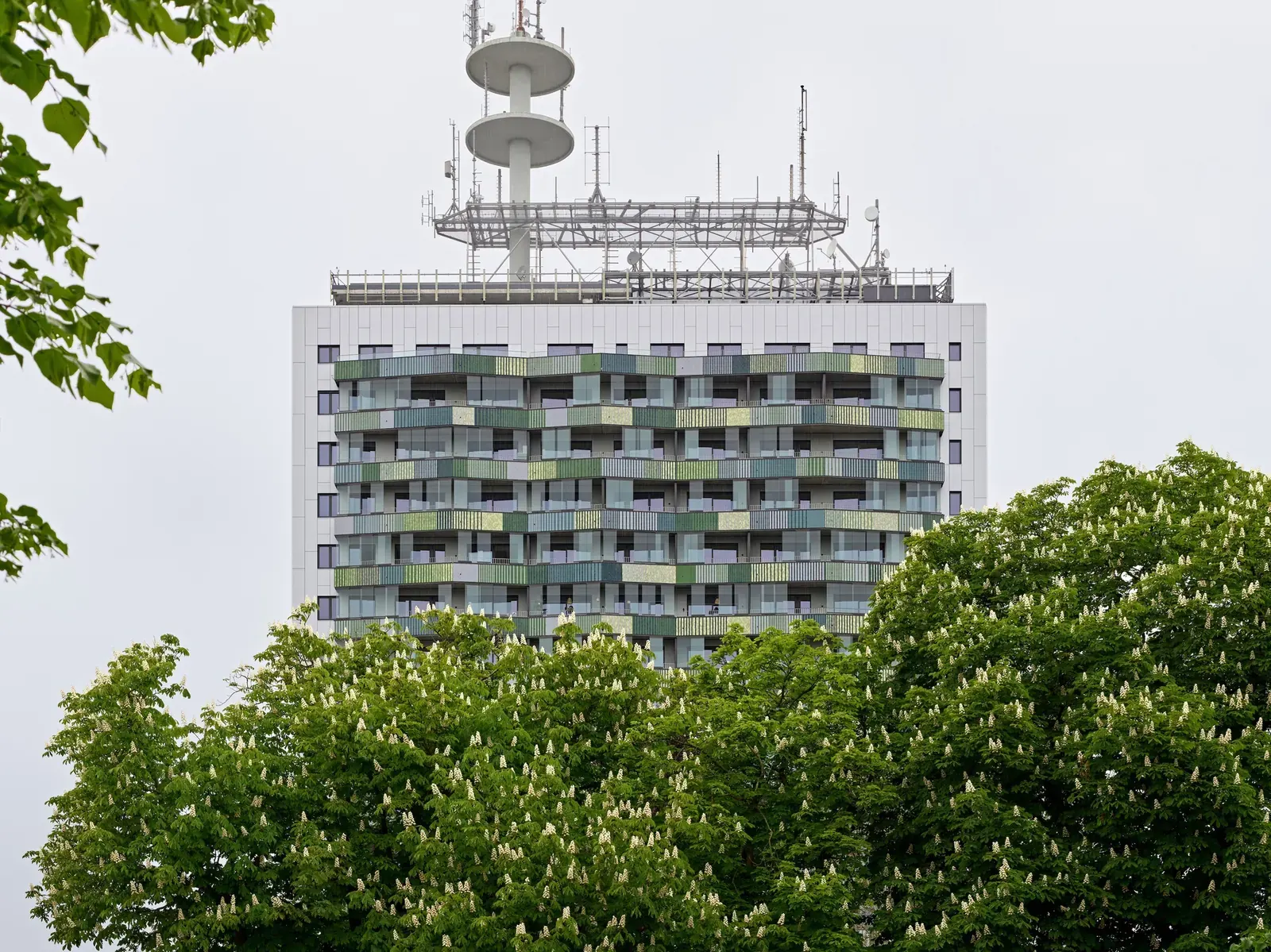
Sauerbruch Hutton has completed the adaptive reuse of the Telekom Tower in Konstanz, Germany, transforming the vacant 1970s office building into a residential complex. The project, situated southeast of the city’s historic center, addresses the tower’s long-standing disconnect with its urban surroundings and aims for “urban healing” through thoughtful redevelopment.
Urban Integration and Reinterpretation
For decades, the Telekom Tower stood as a prominent, yet architecturally disparate, element within Konstanz. Its height and distinct design language made it feel like an “alien presence,” according to the architects. The conversion into residential units offered a crucial opportunity to integrate the structure more harmoniously with the city. This process involved a fundamental reinterpretation of the building’s impact, while retaining its original character, or “DNA.” The result is a building that presents a new face to the city, acknowledging its past while embracing a new future.
Sustainability Through Adaptive Reuse
Beyond aesthetic and urban integration, the project champions sustainability. By choosing adaptive reuse over new construction, the conversion significantly preserves embodied energy within the existing structure. This approach also crucially avoids the substantial carbon dioxide emissions that a new building would have generated. The project highlights the high-rise typology as a forward-thinking solution for dense urban environments, particularly those with a significant proportion of green space, like Konstanz. Retaining the tower’s substance and repurposing it for housing demonstrates a commitment to resource efficiency and reducing construction’s environmental footprint.
A New Chapter for a Landmark
The Telekom Tower, once a symbol of communication infrastructure, now embarks on a new chapter as a residential hub. The conversion not only gives the building a new purpose but also revitalizes its presence within the cityscape. The decision to retain and reimagine the existing structure underscores a growing trend in architecture towards valuing and redeveloping existing building stock, offering a sustainable and contextually sensitive approach to urban development. The project’s success lies in its ability to honor the building’s original form while imbuing it with a new, residential identity that better serves the needs of the contemporary city.
Key facts
| Feature | Detail |
|---|---|
| Project | Telekom Tower Conversion |
| Location | Konstanz, Germany |
| Architect | Sauerbruch Hutton |
| Original Structure | 1970s Office Tower |
| New Use | Residential Apartments |
| Published Date | June 14, 2026 |
The redevelopment of the Telekom Tower by Sauerbruch Hutton is a significant example of how adaptive reuse can contribute to urban regeneration and sustainable development. For readers interested in architecture, urban planning, and sustainable design, this project offers insights into innovative approaches to repurposing existing infrastructure and enhancing city life.
Source: Telekom Tower, Konstanz / Sauerbruch Hutton, ArchDaily, https://www.archdaily.com/1042385/telekom-tower-konstanz-sauerbruch-hutton
Source
ArchDaily Original publication: 2026-06-14T09:00:00+00:00
Related news
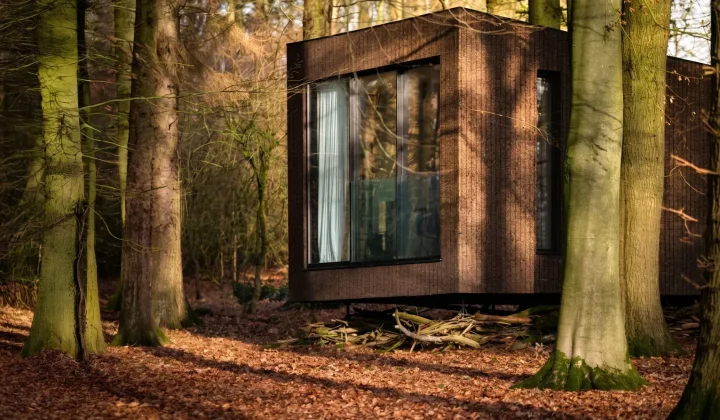
Koto launches Haku, a mobile prefab hotel suite built on a wheeled chassis to bypass UK planning restrictions
UK architecture studio Koto has unveiled Haku, a fully mobile prefabricated suite that legally qualifies as a caravan, allowing landowners and hotel…
Read more
HONG Designworks Completes Private Office in Xi’an That Balances Memory, Materiality, and Long-Term Use
The Xi’an office by HONG Designworks integrates a folded steel staircase, retained furniture from a previous workspace, and a restrained purple-gray palette…
Read more
Handwoven Teak and Cord Outdoor Seating Debuts from Masaya and Abril Zepeda
Nicaraguan furniture brand Masaya has introduced two new handcrafted outdoor chairs — a rocking chair and a lounge chair — designed by…
Read more
Place in Mind: Hendricks Churchill Launches Hospitality Group to Revive Historic Properties
The architecture and interior design studio Hendricks Churchill has launched Place in Mind, a new hospitality group focused on acquiring, restoring, and…
Read moreRelated wiki
Adaptive Reuse in Architecture
Reference page for reuse, retrofit, conversion, embodied carbon and design constraints.
Read more