
The Sculptural Chair: Elevating Architectural Interiors
A single, well-chosen sculptural chair can transform an architectural interior, adding warmth and visual interest to otherwise austere spaces, according to a recent analysis.
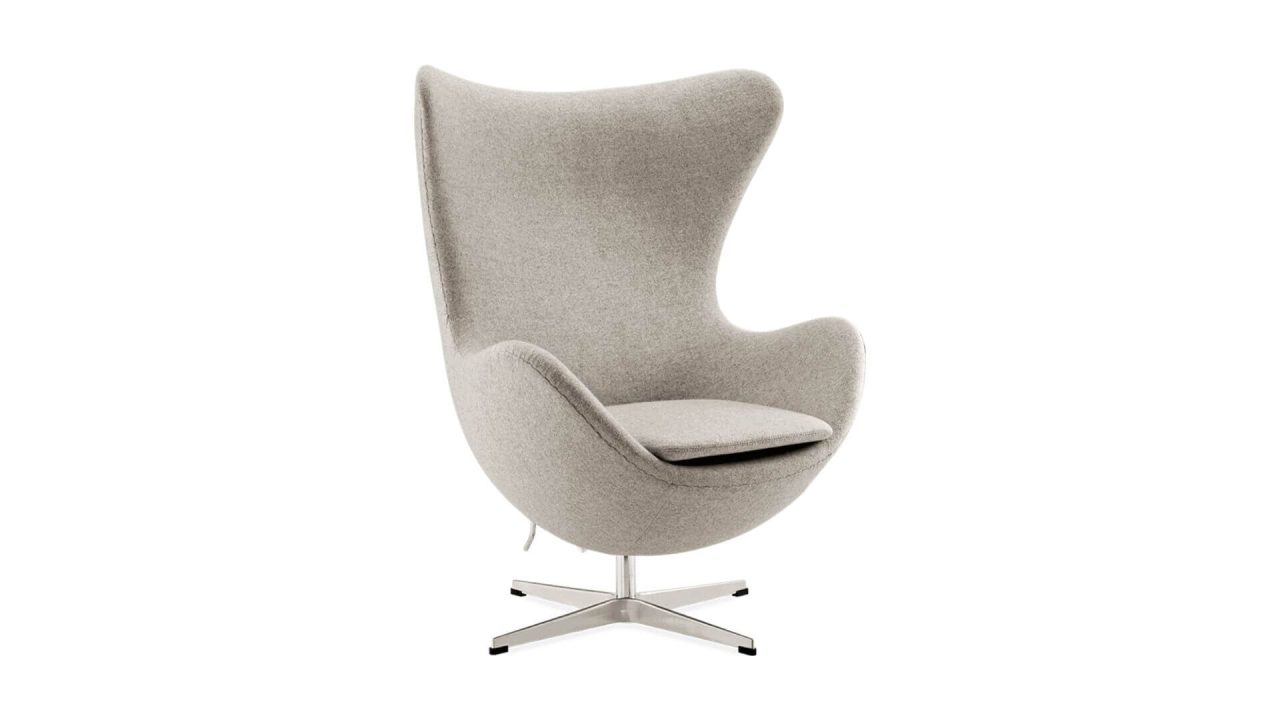
Architectural interiors, often characterized by clean lines, expansive glazing, and minimalist aesthetics, can sometimes feel austere. However, a recent analysis highlights how a single, well-chosen sculptural chair can act as a crucial counterpoint, transforming these impressive spaces into inviting environments. Such a piece introduces curves and organic forms that contrast with rectilinear architecture, enhancing both the furniture and the space itself.
The role of a sculptural chair extends beyond mere seating; it functions as an object d’art, designed to be appreciated from every angle. This approach aligns seamlessly with open-plan architectural designs, where furniture is often viewed in the round. Instead of filling a room with numerous pieces, a singular, strong seat can define a space, providing a visual anchor without overwhelming the architectural intent.
Mid-Century Modern References
Several mid-century designs have become benchmarks for sculptural seating due to their ability to integrate art and function. These pieces were conceived to hold their own in architecturally significant spaces.
- Eero Saarinen’s Womb chair, for example, offers a soft, enveloping form that provides comfort and visual interest within a hard-lined interior.
- Verner Panton’s iconic single-curve chair is celebrated for its minimalist, almost linear quality, appearing as a drawing made solid.
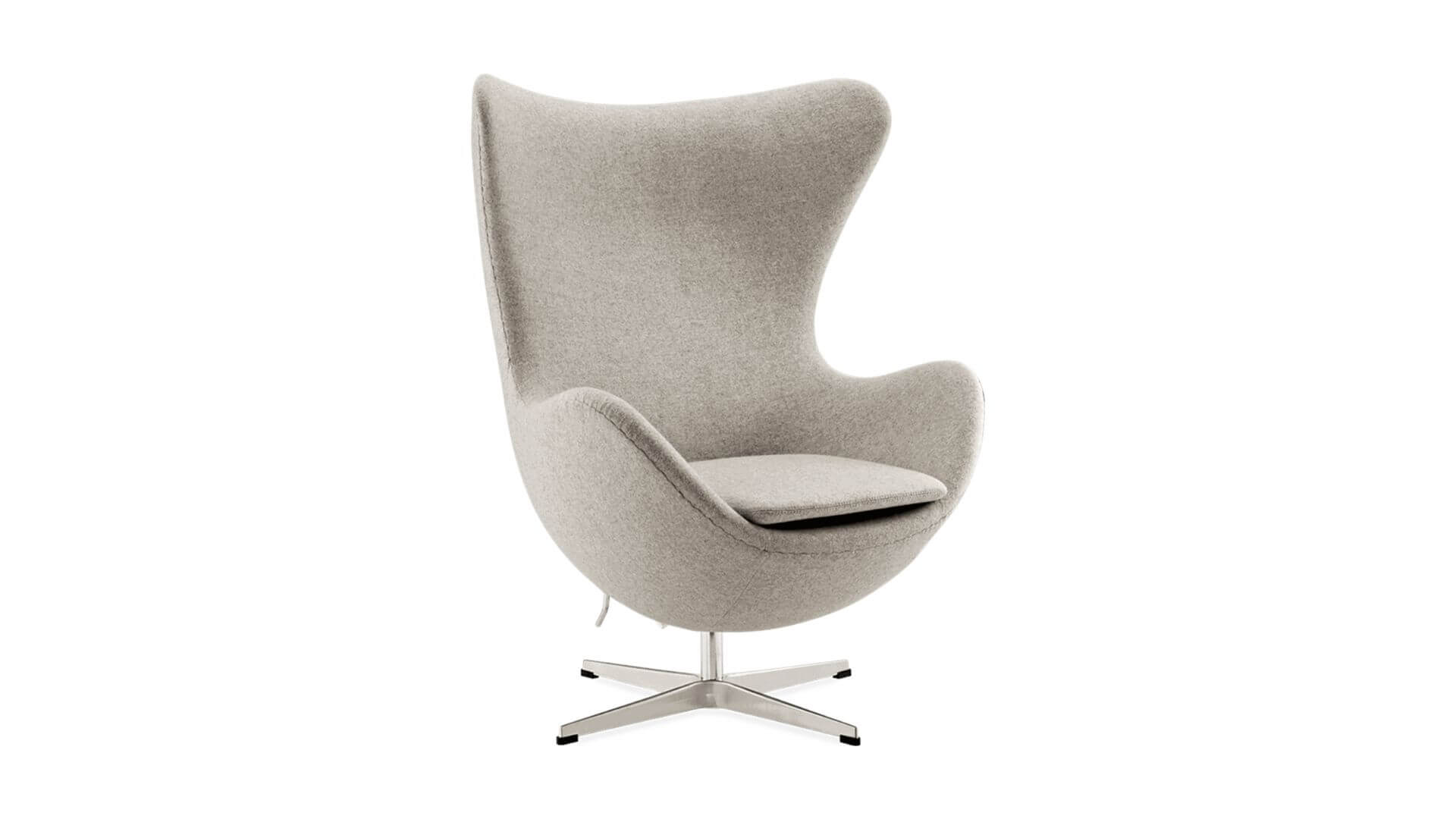
- Arne Jacobsen’s Egg chair, originally designed for the SAS Royal Hotel in Copenhagen in 1958, exemplifies how a sculptural piece can create a private, cocoon-like experience within a public, glass-enclosed environment, translating effectively into residential settings.
Strategic Placement and Materiality
The impact of a sculptural chair is heavily dependent on its placement and the interplay of materials. To maximize its effect, the chair requires ample space, allowing its silhouette to remain uncluttered and readable.
Positioning the chair against a plain backdrop—such as a blank wall, a window, or a concrete surface—allows its form to truly stand out. The principle is often to use one, or perhaps a pair in a large symmetrical room, rather than a crowded arrangement that diminishes the impact of each piece. Angling the chair slightly towards the main sightline can also enhance its presence and invite use.
Material choices are equally important. Leather and wool can catch natural light, highlighting shadows and form, while matte finishes allow the shape to speak for itself. Glossier materials can bounce light, suiting brighter rooms. Scale also plays a critical role; a large, high-ceilinged room can accommodate a more substantial chair, whereas a smaller space might benefit from a leaner, lower silhouette. The chair should be considered an integral part of the architectural material palette, not an afterthought.
Key facts
| Feature | Description |
|---|---|
| Function | Adds warmth, visual interest, and counterpoint to austere architectural interiors |
| Design Principles | Organic forms, curves contrasting rectilinear architecture |
| Key Examples | Saarinen’s Womb, Panton’s single-curve, Jacobsen’s Egg chairs |
| Placement Guidelines | Give space, plain backdrop, single piece, angled for view |
Reproductions and Authenticity
While many iconic sculptural chairs are expensive and rare in their licensed original forms, high-quality reproductions are widely available and specified for real projects. The key distinction lies in honesty and fidelity to the original design. A good reproduction should accurately follow the proportions, materials, and finish of the original and be plainly marketed as such, rather than being passed off as authentic. For architects and designers, choosing a reproduction that respects the original’s integrity ensures that the aesthetic and functional benefits are retained, allowing a single, well-made chair to define a room for years.
Source: Amazing Architecture, https://amazingarchitecture.com/articles/how-one-sculptural-chair-completes-an-architectural-interior
Source
Amazing Architecture Original publication: 2026-07-22T10:21:44+00:00
Related news
Freddie Mercury’s stage costumes go on display at V&A in free 2026 exhibition
The V&A marks the 80th anniversary of Freddie Mercury’s birth with ‘Splendid Things’, a free exhibition of eight iconic looks lent by…
Read more
Armenian Designer Shushana Khachatrian Debuts ‘The Woman’s Chair,’ a Deliberately Uncomfortable Reflection on Social Structures
Armenian designer Shushana Khachatrian's 'The Woman's Chair' uses polished stainless steel and a deliberately unstable geometry to question expectations around comfort, posture,…
Read more
27 Storeys Documentary Revisits Vienna’s Alterlaa and the Utopian Promise of Collective Living
Director Bianca Gleissinger returns to her childhood home in the Alterlaa housing complex to explore how a 1970s social housing project achieved…
Read more
12 Colombian Houses Showcase the Enduring Appeal of Exposed Brick
ArchDaily highlights a dozen Colombian homes that use exposed brick as a structural and aesthetic statement, reflecting the material's deep roots in…
Read moreRelated wiki

Adaptive Reuse in Architecture
Reference page for reuse, retrofit, conversion, embodied carbon and design constraints.
Read more