How Urban Architecture and Public Space Shape the Right to Rest in Modern Cities
Examining how architects and urban planners repurpose dense urban environments to create permanent public spaces for leisure, play, and unstructured rest.
Cities are historically shaped to prioritize commerce, transit, and consumption, often leaving little room for unstructured human pause. Recent civic interventions demonstrate how architects can carve out permanent spaces for rest and play within dense metropolitan environments. By reimagining former retail hubs, industrial sites, and transportation infrastructure, urban designers are testing new ways to give unclaimed time a physical home.
Transforming Commercial Relics into Civic Infrastructure
In downtown São Paulo, architects Paulo Mendes da Rocha and MMBB placed a public rooftop pool on the fourteenth floor of the former SESC 24 de Maio department store. Completed in 2018, the project positions recreation at the top of a dense vertical complex, offering citizens a place to gather without requiring a commercial transaction. This builds upon an earlier lineage established by Lina Bo Bardi at SESC Pompéia, where a former factory was converted into an open community center for culture and sports. Both projects treat civic coexistence as a primary urban use, leaving interior spaces adaptable for unprogrammed afternoon gatherings.
Subtracting Mass to Create Shared Water Lagoons
In central Tainan, MVRDV applied a similar logic of subtraction by converting the former China-Town Mall into a sunken public plaza known as Tainan Spring. Opened in 2020, the site features an urban lagoon bordered by local planting and shaded arcades, utilizing the building’s remaining foundations as public furniture. The water level fluctuates with seasonal rainfall, providing natural cooling and an accessible wading area. By exposing the structural remnants of a failed commercial facility, the design replaces consumption with an open framework for lingering and public relief from heat.
Reimagining Residual Spaces in Public Housing and Traffic Networks
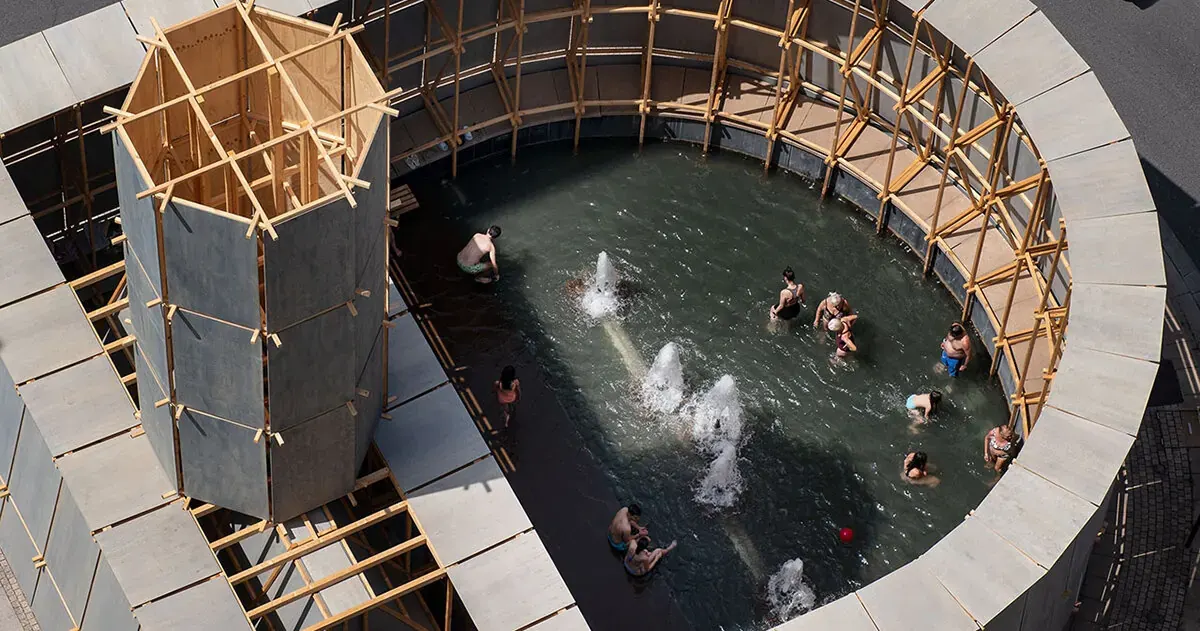
Public rest also takes shape through localized interventions in constrained sites. At Morris Houses in the Bronx, The Urban Conga developed Common Corner, transforming underused concrete bleachers into an accessible playscape with seating, climbing surfaces, and reflective mural elements. Meanwhile, in Logroño, Leopold Banchini Architects temporarily converted an inaccessible traffic roundabout into Round About Baths for the Concéntrico 2025 festival, inserting timber steam rooms and cold-water basins inside a space engineered entirely for automotive motion. While temporary installations highlight the constraints of municipal funding and maintenance, they illustrate how infrastructural land can be temporarily reclaimed for human repose.
Key facts
Project Examples | Locations | Designers | Interventions
SESC 24 de Maio | São Paulo, Brazil | Paulo Mendes da Rocha and MMBB | Rooftop pool and cultural center in a former department store
Tainan Spring | Tainan, Taiwan | MVRDV | Sunken public lagoon created from a demolished mall
Common Corner | Bronx, New York | The Urban Conga | Accessible playscape and seating in public housing
Round About Baths | Logroño, Spain | Leopold Banchini Architects | Temporary public bath inside an urban traffic circle
Why This Matters for Urban Designers and Architects
For urban planners and architects navigating increasingly dense metropolitan centers, these projects challenge the designation of public amenities as optional extras. Designing spaces that accommodate rest without economic prerequisites requires deliberate structural choices, ongoing municipal maintenance, and social permission. As cities grapple with heat islands and spatial compression, integrating flexible leisure infrastructure into the urban fabric remains a vital challenge for contemporary design culture.
Source: Designboom, https://www.designboom.com/architecture/right-rest-room-play-architecture-leisure/
Datos clave
| Punto | Detalle |
|---|---|
| Fuente | Designboom |
| Fecha | 2026-07-30T00:35:42+00:00 |
| Tema | the right to rest: how cities make room for play |
Source
Designboom Original publication: 2026-07-30T00:35:42+00:00
Related news
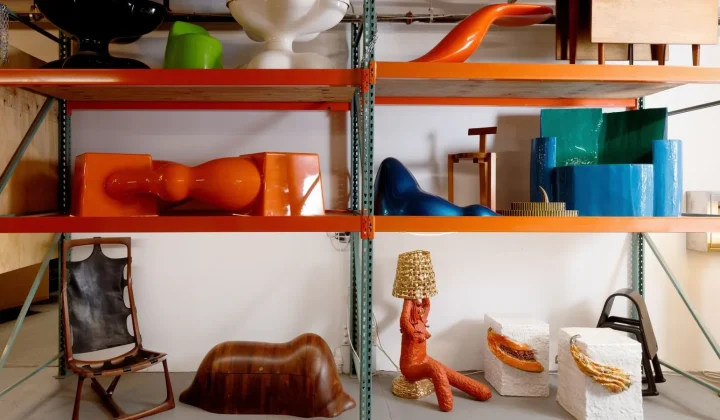
R & Company Opens Its Brooklyn Archive to the Public, Revealing 10 Rare Design Finds
The celebrated design gallery R & Company has opened its 16,000 sq ft storage facility, Building 86, in the Brooklyn Navy Yard…
Read more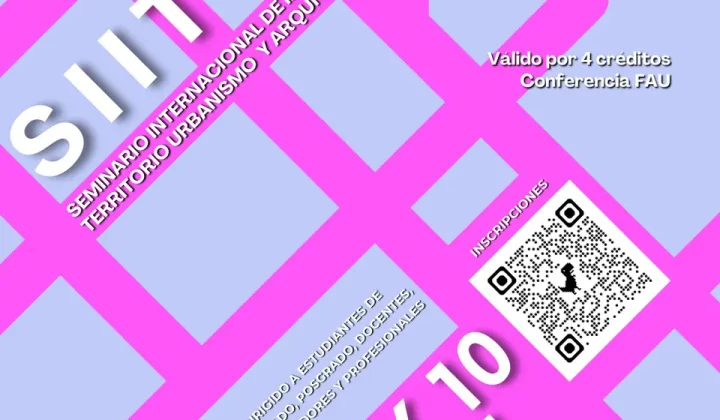
SIITUA III to Gather International Researchers on Territory, Urbanism, and Architecture in Lima
The third edition of the International Seminar on Research in Territory, Urbanism, and Architecture (SIITUA III) will take place in Lima, organized…
Read more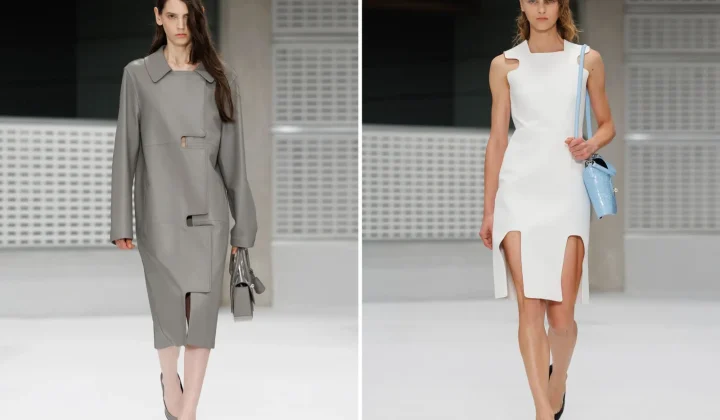
Christopher Kane brings streamlined, heritage-driven vision to Mulberry in London Fashion Week debut
The Scottish designer presented his first collection for the British leather goods house at London Fashion Week, blending sharp tailoring, archival references…
Read more
When Film Directors Become Interior Designers: Guadagnino, Lynch, Anderson and Almodóvar Step Off Screen
From Luca Guadagnino’s Zara Home collection to David Lynch’s Paris club and Wes Anderson’s train carriage, a wave of collaborations is blurring…
Read moreRelated wiki
Adaptive Reuse in Architecture
Reference page for reuse, retrofit, conversion, embodied carbon and design constraints.
Read more