
UT Austin Researchers Unveil Water-Harvesting Jacket
A new jacket prototype from the University of Texas at Austin utilizes a biomass-derived hydrogel textile to absorb atmospheric moisture, potentially offering a wearable solution for accessing drinkable water in various conditions.
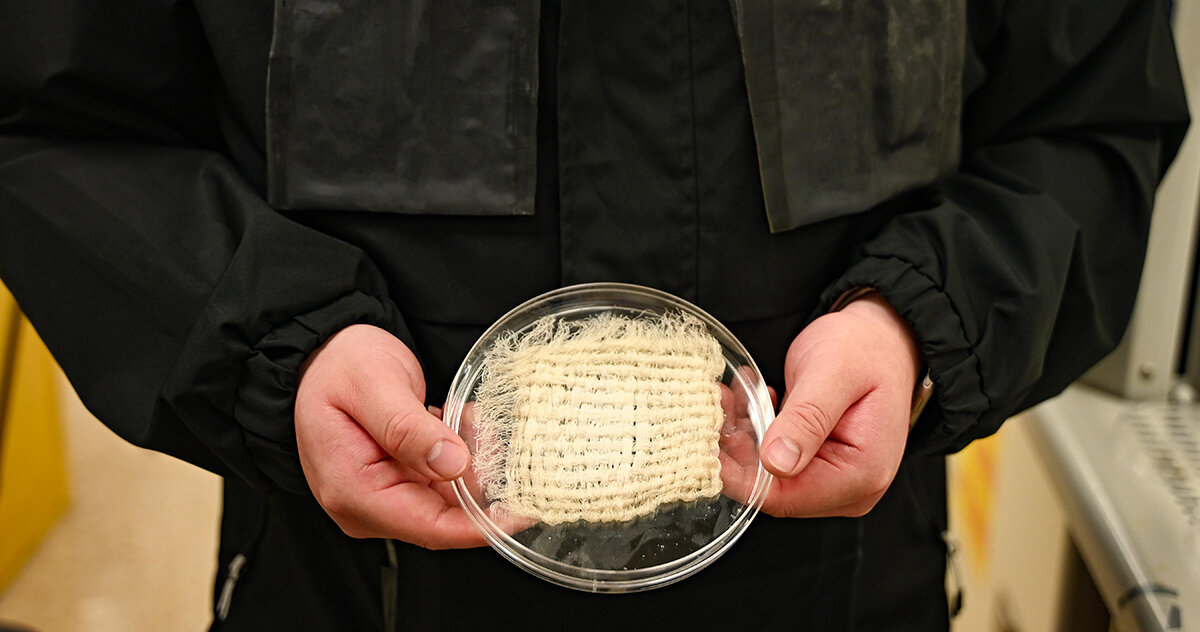
Researchers at The University of Texas at Austin have developed a prototype jacket capable of harvesting drinkable water directly from the air. This innovative wearable technology shifts atmospheric water harvesting from stationary devices to a familiar piece of clothing.
Hydrogel Textile Innovation
The jacket employs a specially engineered textile made from biomass-derived hydrogel fibers. This material is designed to absorb ambient moisture from the air. The absorbed moisture is then transported through the fabric to detachable harvesting units.
Once these units are removed, they can be placed inside a foldable collector. Applying heat to the collected moisture releases it as drinkable water. This process transforms the jacket into a mobile water-collecting surface.
Functional Design
Engineers at UT Austin’s Cockrell School of Engineering focused on creating a pathway within the textile that efficiently moves water vapor from the air to liquid on the fiber surface, and then into the fabric system. This design allows the technology to function effectively at the scale of wearable clothing.
In testing, the jacket demonstrated the ability to produce between 400 and 900 milliliters (approximately 14 to 30 ounces) of drinkable water per day. The amount collected is dependent on the humidity levels of the surrounding environment. The researchers noted that compared to conventional water-harvesting materials, the textile showed a three- to ten-fold improvement in efficiency at scale, highlighting the importance of fiber structure and internal movement within the fabric.
Potential Applications
While the current jacket is a research prototype, its design offers immediate insights into how water collection technology can be integrated into everyday items. The researchers envision future applications for this technology in various scenarios, including hiking, camping, remote fieldwork, disaster response, and in regions where water scarcity and limited infrastructure are significant challenges.
The system aims to add a secondary function to gear that people already use or carry, providing a potential solution in situations where traditional water sources are unavailable or inaccessible. The team suggests that beyond jackets, other soft goods like backpacks, shelters, and general outdoor equipment could be adapted to serve as distributed surfaces for moisture collection, turning them into personal, portable water systems.
Broader Research Context
This jacket development is part of a larger research effort by the same UT Austin team into atmospheric water harvesting. A separate device developed by the researchers was tested in both arid conditions in the Chihuahuan Desert of New Mexico and more humid settings in Austin. This standalone device successfully captured 1.3 liters of clean water per day in both environments, utilizing a similar principle of drawing moisture from the atmosphere and releasing it through heat.
The core innovation across both projects lies in the shift of scale and placement. Instead of relying on separate, stationary water-harvesting apparatuses, the researchers are exploring how this technology can be integrated into objects that are worn, carried, or built into existing structures. In the case of the jacket, water collection becomes an intrinsic part of the fabric, held close to the body until heat is applied to convert the absorbed air moisture into potable water.
Key facts
| Feature | Detail |
|—|—|
| Institution | The University of Texas at Austin |
| Technology | Biomass-derived hydrogel textile for atmospheric water harvesting |
| Water Output | 400-900 milliliters per day (prototype jacket) |
| Potential Uses | Outdoor activities, emergency response, water-scarce regions |
| Lead Researcher | Yuanyuan ‘Alba’ Guo |
This development is particularly relevant to the architecture and design community for its innovative approach to integrating essential technology into everyday objects and materials. It explores how design can solve critical resource challenges through material science and wearable solutions, potentially influencing future product design and sustainable practices in the built environment.
Source: Designboom (https://www.designboom.com/technology/ut-austin-jacket-drinkable-water-air-harvesting/)
Datos clave
| Punto | Detalle |
|---|---|
| Fuente | Designboom |
| Fecha | 2026-06-13T19:15:45+00:00 |
| Tema | UT austin researchers develop a jacket that pulls drinkable water from the air |
Source
Designboom Original publication: 2026-06-13T19:15:45+00:00
Related news

MIV Architects Proposes Wetland Pavilion That Prioritizes Non-Human Habitats Over Human Comfort
The Spanish firm’s “Nidos de Agua” concept for the Albufera natural park in Valencia aims to rebalance the relationship between building and…
Read more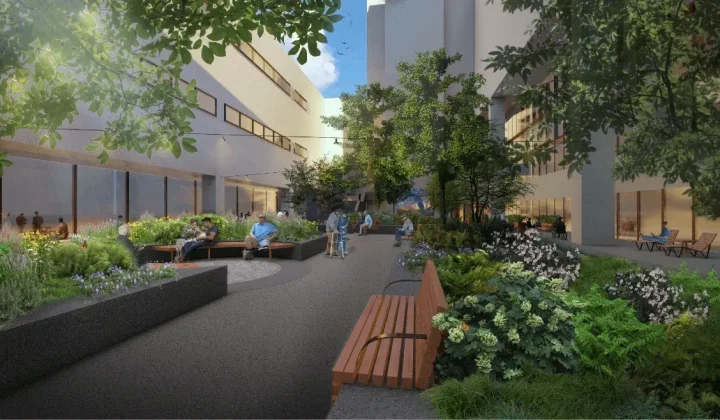
Nelson Byrd Woltz Begins Construction on Restorative Eagle Courtyard at Walter Reed Medical Center
Construction has started on a redesigned Eagle Courtyard at Walter Reed National Military Medical Center, led by Nelson Byrd Woltz Landscape Architects.…
Read more
London’s listening bar boom reflects a deeper shift in hospitality design and music culture
A wave of Japanese-inspired listening bars is reshaping London’s nightlife, but owners and critics are asking whether the concept can survive commercial…
Read more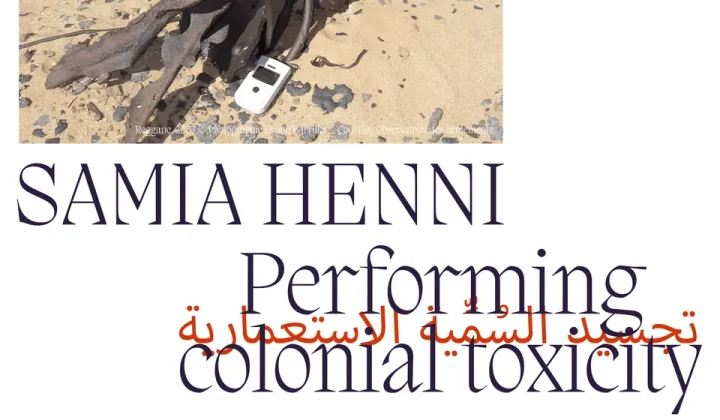
Performing Colonial Toxicity Exhibition in Valencia Examines Architecture’s Role in Nuclear Colonialism
From 24 October to 1 November 2026, Aguas Internacionales in Valencia hosts Samia Henni’s exhibition on French nuclear testing in the Algerian…
Read moreRelated wiki

Adaptive Reuse in Architecture
Reference page for reuse, retrofit, conversion, embodied carbon and design constraints.
Read more