
Veterinary Hospitals Evolve: Redefining Architecture for Animal Health and Human Emotion
As the global animal health market surges, veterinary hospitals are shedding their utilitarian past to embrace architectural designs that prioritize both animal well-being and the human-animal bond.
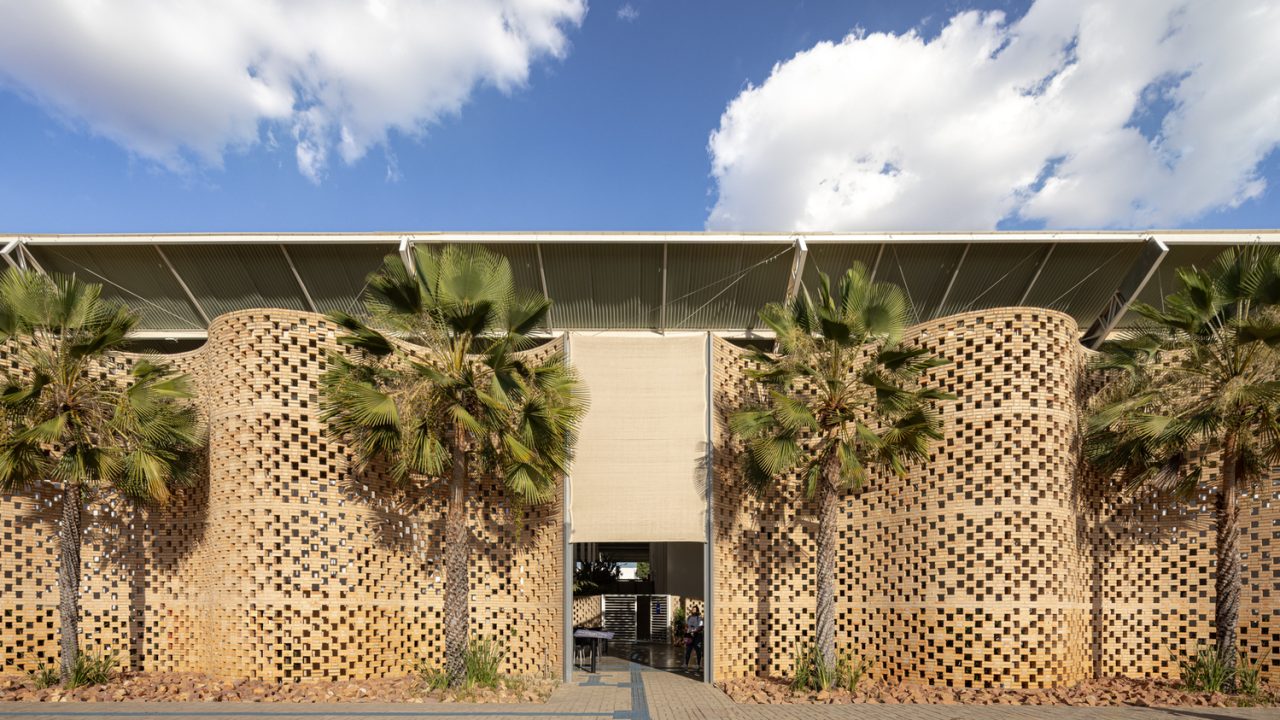
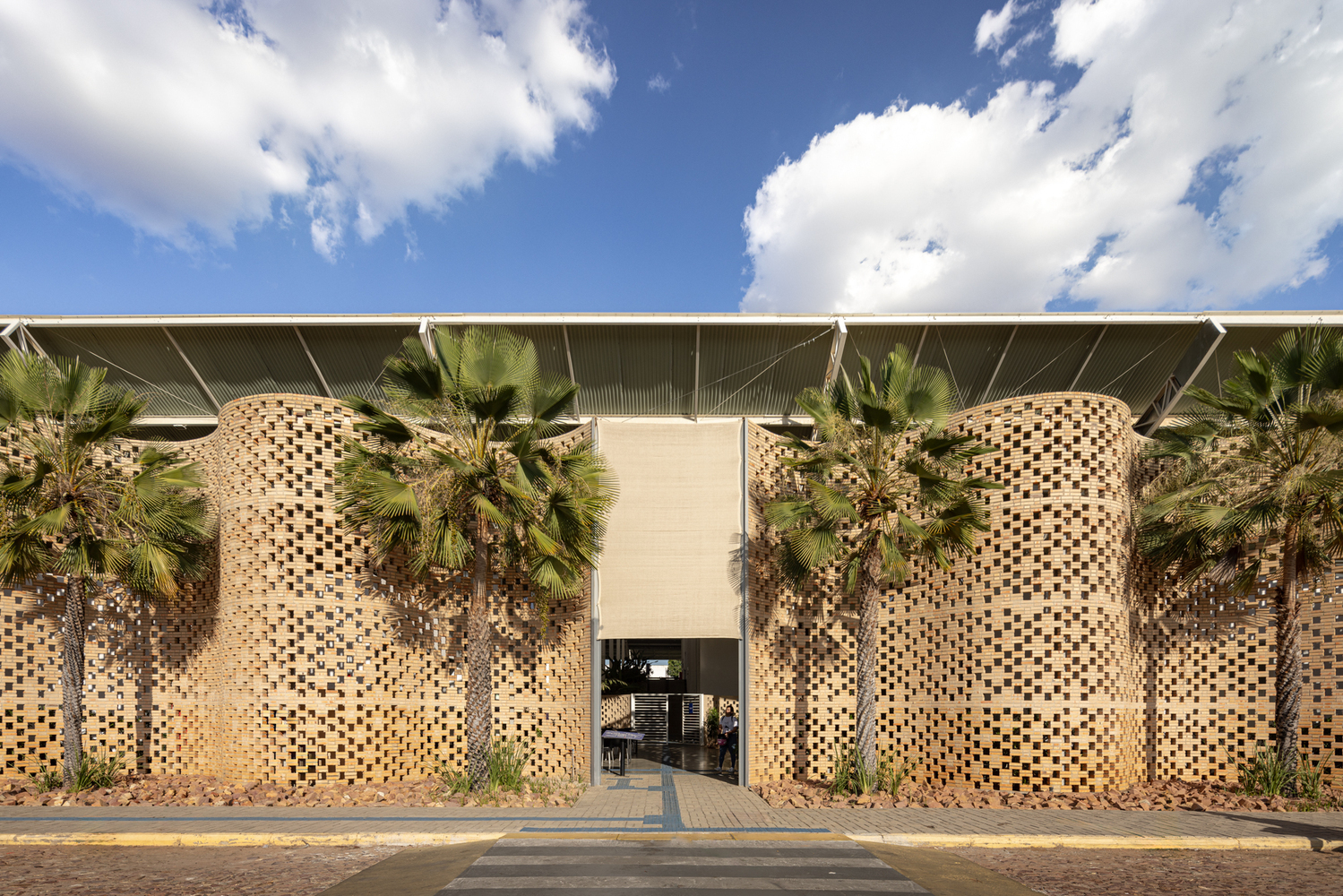
The landscape of animal care is undergoing a significant architectural transformation. Once relegated to basic clinics or back rooms of pet shops, veterinary hospitals are now emerging as distinct architectural typologies, developing their own aesthetic and functional language. This evolution mirrors the growing importance of animal health and the deepening bond between humans and their animal companions.
The global animal health market is a testament to this trend, valued at approximately $70 billion in 2025 and projected to double by 2033. Beyond the economic figures, this growth signifies a profound shift in how society perceives and cares for animals. Veterinary hospitals are at the forefront of this change, with architects increasingly focusing on creating spaces that are not only functional for medical care but also emotionally supportive for both animals and their owners.
Por que importa
This development is deeply rooted in the long-standing relationship between humans and animals, a bond that has shaped human evolution and culture for millennia. The domestication of animals, an early lesson in coexistence, has paved the way for the sophisticated level of care and integration animals now hold in our lives. Modern veterinary architecture seeks to honor this enduring connection through thoughtful design.
Key facts
| Aspect | Detail |
|---|---|
| Market Value (2025) | Approximately $70 billion |
| Projected Growth | Expected to double by 2033 |
| Architectural Trend | Evolution from basic clinics to specialized, identity-driven spaces |
| Core Focus | Animal health, owner experience, human-animal bond |
The architectural reimagining of veterinary facilities addresses several critical aspects. Firstly, it acknowledges the stress and anxiety animals can experience in clinical settings. Designs are incorporating elements like calming color palettes, natural light, soundproofing, and dedicated zones for different types of animals (e.g., separate waiting areas for dogs and cats) to create a more serene environment.
Contexto
Secondly, the emotional well-being of pet owners is a growing consideration. The design of veterinary hospitals can significantly impact a client’s experience during potentially stressful times. This includes creating comfortable waiting areas, private consultation rooms, and spaces that foster a sense of trust and care. The integration of natural elements, such as indoor plants and views of green spaces, further contributes to a healing atmosphere.
Furthermore, the rise of specialized veterinary care, including advanced diagnostics and surgical procedures, necessitates sophisticated architectural solutions. This involves designing flexible treatment areas, state-of-the-art operating rooms, and dedicated spaces for rehabilitation and recovery. The integration of technology, from advanced imaging equipment to digital record-keeping systems, also plays a crucial role in the functional layout of these modern facilities.
The trend also extends to aspects of sustainability and material selection. Architects are increasingly opting for durable, non-toxic, and easily cleanable materials that can withstand the rigorous demands of a veterinary environment while also contributing to a healthier and more sustainable building. The use of recycled materials and energy-efficient systems further aligns these facilities with broader environmental consciousness.
Ultimately, the architectural evolution of veterinary hospitals signifies a broader societal recognition of animals as integral members of our families and communities. By creating spaces that prioritize health, comfort, and emotional connection, these redesigned facilities are not just buildings for medical treatment but are becoming vital hubs that strengthen the human-animal bond.
Source: ArchDaily – Animal Care: 8 Veterinary Hospitals Redefining Architecture for Health and Emotion – https://www.archdaily.com/1042017/animal-care-8-veterinary-hospitals-redefining-architecture-for-health-and-emotion
Source
ArchDaily Original publication: 2026-06-11T04:00:00+00:00
Related news
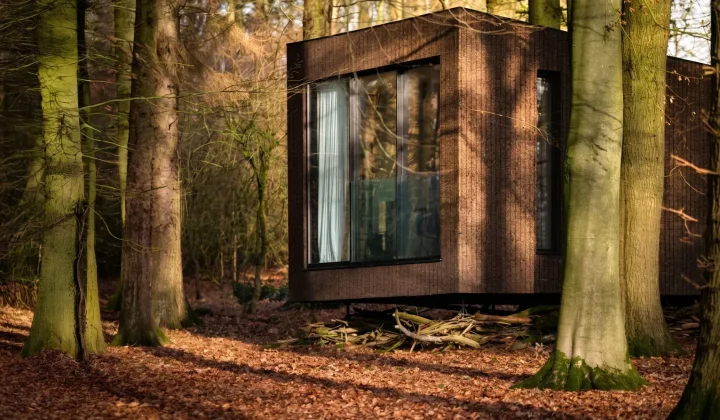
Koto launches Haku, a mobile prefab hotel suite built on a wheeled chassis to bypass UK planning restrictions
UK architecture studio Koto has unveiled Haku, a fully mobile prefabricated suite that legally qualifies as a caravan, allowing landowners and hotel…
Read more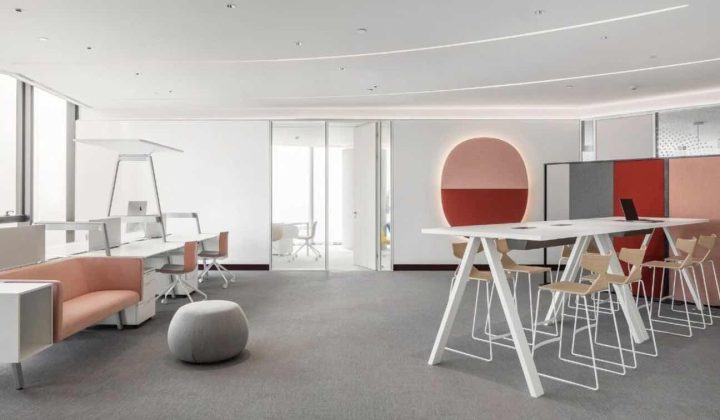
HONG Designworks Completes Private Office in Xi’an That Balances Memory, Materiality, and Long-Term Use
The Xi’an office by HONG Designworks integrates a folded steel staircase, retained furniture from a previous workspace, and a restrained purple-gray palette…
Read more
Handwoven Teak and Cord Outdoor Seating Debuts from Masaya and Abril Zepeda
Nicaraguan furniture brand Masaya has introduced two new handcrafted outdoor chairs — a rocking chair and a lounge chair — designed by…
Read more
Place in Mind: Hendricks Churchill Launches Hospitality Group to Revive Historic Properties
The architecture and interior design studio Hendricks Churchill has launched Place in Mind, a new hospitality group focused on acquiring, restoring, and…
Read moreRelated wiki

Adaptive Reuse in Architecture
Reference page for reuse, retrofit, conversion, embodied carbon and design constraints.
Read more