Artist Transforms Cardboard into Lasting Ceramics, Exploring Time and Beauty
French artist Jacques Monneraud discusses his unique ceramic practice, where everyday cardboard packaging is meticulously recreated in clay, challenging perceptions of permanence and the role of beauty in art.
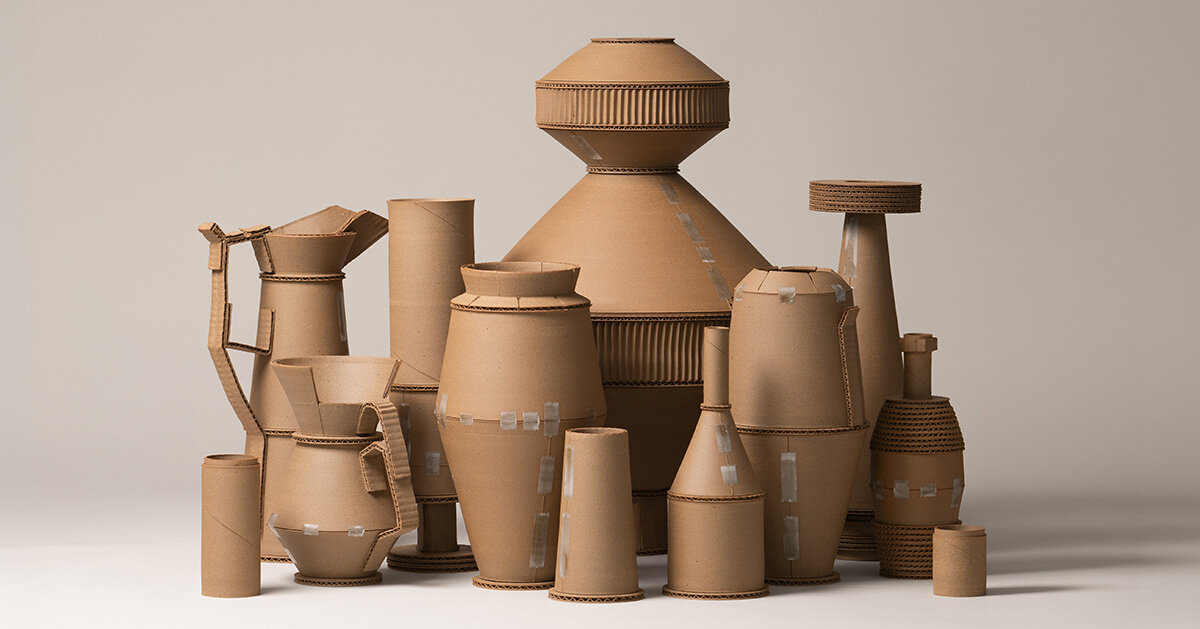
French artist Jacques Monneraud is challenging perceptions of material and time with his striking ceramic works. At first glance, his vessels appear to be constructed from common cardboard, complete with convincing creases, dents, and the texture of corrugated edges, all seemingly held together by packing tape. However, these objects are entirely crafted from clay, a testament to a labor-intensive process that conceals the artist’s hand, creating a deliberate illusion.
Behind Monneraud’s “Carton” series lies a deeper exploration of time, permanence, and the lasting impact of human creation. The artist recently shared insights into his journey from the fast-paced world of advertising to the deliberate pace of ceramics, emphasizing the enduring power of beauty and the potential for deception to capture attention.
Leaving Advertising for Ceramics
Monneraud’s background in advertising significantly influences his artistic perspective. He describes his transition to ceramics as a quest for longevity and a conscious move away from the ephemeral nature of commercial messaging. “I wanted to create things that would last longer than a thirty-second commercial,” Monneraud explained, “and I wanted to make them with my own hands.” This desire for permanence is contrasted with his acknowledgment of the skills gained in advertising, particularly in understanding how to capture and hold attention. He seeks to reconnect with a slower sense of time, one that allows for meticulous detail and fosters the creativity that often arises from moments of boredom.
The Concept of Transformation
The choice of packaging as a subject matter stems from its inherent connection to transformation and the concept that “nothing is lost, nothing is created, everything is transformed.” Monneraud sees packaging as a ubiquitous symbol of consumption and disposability in contemporary life, providing a relatable entry point to discuss themes of permanence and the indelible traces we leave behind. He draws a parallel between the persistence of materials in the environment, like plastic and digital content, and the need to be mindful of what endures.
The Power of Beauty
Monneraud firmly believes in the restorative power of beauty. “Beauty can help save us because it has the power to bring out the best in human nature,” he stated. He views beauty as “food for the soul,” capable of soothing, moving, and uniting people. His artistic endeavor to transform humble cardboard into fired clay is, in his words, an embodiment of the essence of ceramics: “trying to turn mud into gold.” This pursuit of beauty from the mundane is central to his practice.
Illusion as a Tool
The remarkable realism of Monneraud’s ceramic “cardboard” is not merely a technical feat but a deliberate artistic strategy. He employs illusion as a means to interrupt the rapid consumption of images and objects in modern society. “If you manage to fool the senses first, the brain lets its guard down,” he explained. This initial deception, akin to a carnivorous plant disguised as a flower, is intended to momentarily halt viewers, allowing them to engage more deeply with the artwork. The goal is not to trick indefinitely, but to foster a moment of contemplation and a renewed perspective, a “brief return to childhood” that encourages looking at the world with fresh eyes.
Craftsmanship in the Age of AI
In an era of increasingly sophisticated digital image generation, Monneraud finds himself drawn to art where the labor and time invested in its creation are palpable. He expresses a waning interest in flawless, machine-produced images, contrasting them with the tangible effort behind handcrafted works like those from Aardman Studios. This leads to a philosophical consideration of the relationship between the final outcome and the effort required, suggesting that meaning can be amplified by the investment of craftsmanship. For Monneraud, “craftsmanship is a glimmer of hope” in this evolving landscape.
The “Carton” series inherently bridges two vastly different lifespans: the disposable, transient existence of cardboard and the enduring legacy of fired clay, a medium that has witnessed civilizations. Monneraud’s work invites viewers to contemplate this temporal juxtaposition and the enduring value of thoughtful creation.
Key facts
| Aspect | Detail |
|---|---|
| Artist | Jacques Monneraud |
| Medium | Ceramics |
| Series Name | Carton |
| Core Theme | Transformation of temporary (cardboard) into permanent (clay) |
| Artist Background | Former advertising professional |
| Artistic Philosophy | Beauty as a force for good, craftsmanship matters |
Source: designboom – https://www.designboom.com/art/beauty-jacques-monneraud-cardboard-lasting-ceramics-interview/
Source
Designboom Original publication: 2026-07-05T13:45:17+00:00
Related news

Handwoven Teak and Cord Outdoor Seating Debuts from Masaya and Abril Zepeda
Nicaraguan furniture brand Masaya has introduced two new handcrafted outdoor chairs — a rocking chair and a lounge chair — designed by…
Read more
Place in Mind: Hendricks Churchill Launches Hospitality Group to Revive Historic Properties
The architecture and interior design studio Hendricks Churchill has launched Place in Mind, a new hospitality group focused on acquiring, restoring, and…
Read more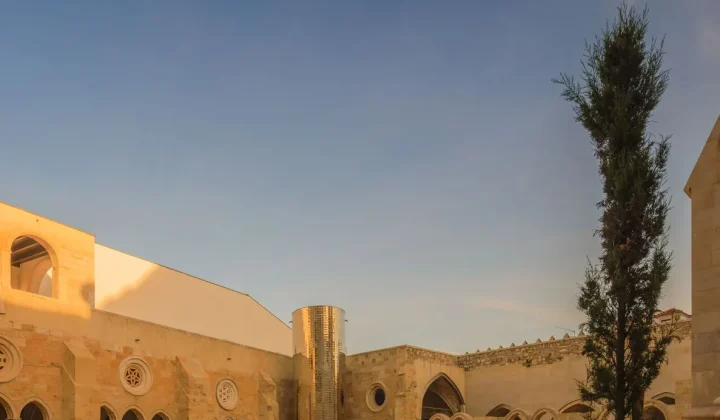
Adalberto Dias Architects Complete Restoration of Lisbon’s Patriarchal Cathedral and Archaeological Center
The restoration of the Sé de Lisboa by Adalberto Dias Arquitecto integrates a new archaeological center, preserved cloisters, and seven centuries of…
Read more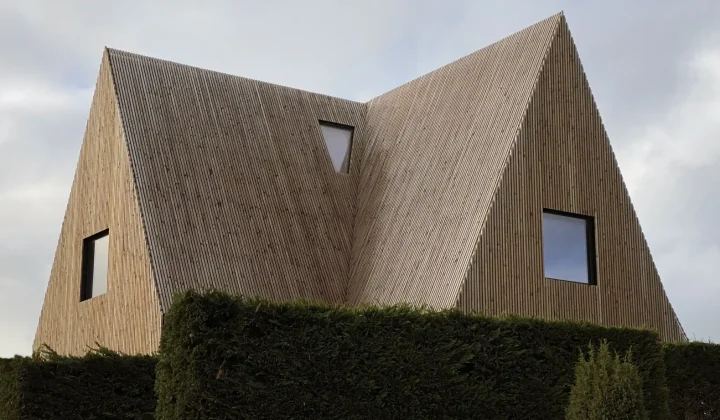
Vantieghem Talebi’s ‘House of Cards’ Brings Timber Geometry to Belgian Family Home
A new family house in Belgium by US- and Swiss-based practice Vantieghem Talebi uses a steeply pitched, card-house-inspired form clad in Douglas-fir…
Read moreRelated wiki
Adaptive Reuse in Architecture
Reference page for reuse, retrofit, conversion, embodied carbon and design constraints.
Read more