Paionia HDMI: Understanding Its Role in Architecture and Design
Explore the potential intersection of Paionia's focus on architecture and design with HDMI technology. This guide clarifies what "Paionia HDMI" might signify, its evaluation, risks, and practical applications.

What is Paionia HDMI?
The term “Paionia HDMI” suggests a convergence between Paionia’s core interests in architecture, urbanism, and design, and the HDMI (High-Definition Multimedia Interface) technology. While Paionia primarily delves into the built environment, the inclusion of HDMI points towards the increasing integration of digital technology within architectural projects and design processes. This article aims to demystify what “Paionia HDMI” could represent, offering insights into its potential applications and significance.
Contextualizing Paionia HDMI
Given Paionia’s established focus on architecture and design, “Paionia HDMI” likely relates to how HDMI technology is utilized within this domain:
Integrated Digital Displays in Architecture: HDMI is a standard for connecting display devices, making it crucial for interactive installations, digital signage, and presentation systems within buildings. This could involve large-scale video walls, smart room interfaces, or exhibition designs.
Enhanced Design Visualization: In architectural practice, HDMI enables high-resolution output for design software, allowing for detailed presentations of renders, virtual walkthroughs, and BIM models on large screens or projectors.
Smart Building Technology: HDMI may play a role in the connectivity of various smart building systems, facilitating the display of data from sensors, control interfaces, or security feeds.
Specific Project Features: It might refer to a particular project or product reviewed by Paionia where HDMI connectivity is a key feature, emphasizing its role in user experience or functionality.
The Significance of HDMI in Design
HDMI’s role in modern architecture and design extends beyond simple connectivity. It underpins the delivery of rich visual information, critical for both the creative process and the end-user experience. The ability to transmit high-definition audio and video signals seamlessly allows for immersive environments, dynamic information displays, and sophisticated client presentations. As buildings become more technologically integrated, understanding the foundational technologies like HDMI becomes increasingly important for designers and architects.
Evaluation Criteria for Paionia HDMI
When assessing any discussion or project related to “Paionia HDMI,” consider these evaluation criteria:
Relevance: How directly does it connect to architectural or design principles and applications?
Technological Functionality: What specific HDMI features are being leveraged, and how do they enhance the project?
Innovation: Does it represent a novel application of HDMI in the built environment?
Practicality: Is the implementation feasible and beneficial in a real-world architectural context?
Source Credibility: Is the information derived from reliable architectural sources or technical specifications?
Potential Risks and Trust Signals
Navigating information about specific technological integrations requires awareness of potential pitfalls:
Potential Risks
Ambiguity: The term “Paionia HDMI” itself might be a niche or internal reference lacking broad definition.
Technical Obsolescence: HDMI standards evolve; older implementations might not support the latest resolutions or features.
Integration Complexity: While HDMI is standard, integrating it into complex architectural systems can present challenges.
Trust Signals
Official Project Documentation: Information from developers, architects, or product manufacturers.
Reputable Design Publications: Mentions in established architecture and technology journals.
Demonstrated Case Studies: Real-world examples showcasing successful implementation.
Practical Applications Table
Here’s a look at how HDMI can be applied in architectural contexts:
| Application | Description | Key HDMI Benefit |
|---|---|---|
| Digital Signage | Displaying information, advertisements, or wayfinding in public spaces. | High-resolution video and graphics transmission. |
| Interactive Exhibits | Creating engaging experiences in museums, galleries, or public installations. | Supports high refresh rates and resolutions. |
| Smart Home/Building Control | Connecting control panels and displays for building management systems. | Seamless audio-visual integration. |
| Architectural Visualization | Presenting detailed 3D models and renderings to clients or stakeholders. | Crisp, clear display of complex visual data. |
Frequently Asked Questions
Q1: What is the primary relevance of “Paionia HDMI” for architects and designers?
A1: It signifies the integration of high-definition digital display technology within architectural projects, impacting visualization, building systems, and user experiences.
Q2: How can I assess the value of HDMI in a specific architectural project?
A2: Evaluate its contribution to the project’s goals, such as enhancing visual communication, improving user interaction, or enabling advanced building functionalities.
Q3: Are there any common pitfalls when implementing HDMI in architectural designs?
A3: Be mindful of potential cable length limitations, signal degradation over long distances, and ensuring compatibility with the latest content standards (e.g., HDR, higher frame rates).
Q4: How does Paionia approach discussions on technology like HDMI?
A4: Paionia likely frames such discussions within the broader context of how technology enhances or transforms the built environment, focusing on user experience, sustainability, and innovative design solutions.
Conclusion
While “Paionia HDMI” may not be a widely recognized term, it clearly points to the crucial role of HDMI technology in contemporary architecture and design. As digital interfaces become integral to our built spaces, understanding these connective technologies is essential for creating functional, engaging, and forward-thinking environments. Paionia’s exploration of this intersection highlights a key trend in modern design practice.
Source
Related news
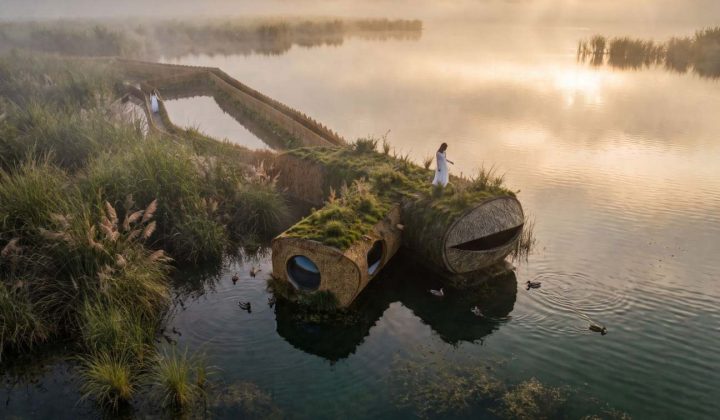
MIV Architects Proposes Wetland Pavilion That Prioritizes Non-Human Habitats Over Human Comfort
The Spanish firm’s “Nidos de Agua” concept for the Albufera natural park in Valencia aims to rebalance the relationship between building and…
Read more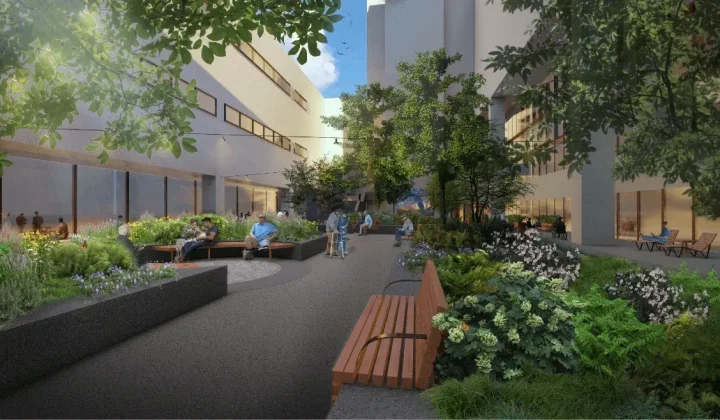
Nelson Byrd Woltz Begins Construction on Restorative Eagle Courtyard at Walter Reed Medical Center
Construction has started on a redesigned Eagle Courtyard at Walter Reed National Military Medical Center, led by Nelson Byrd Woltz Landscape Architects.…
Read more
London’s listening bar boom reflects a deeper shift in hospitality design and music culture
A wave of Japanese-inspired listening bars is reshaping London’s nightlife, but owners and critics are asking whether the concept can survive commercial…
Read more
Performing Colonial Toxicity Exhibition in Valencia Examines Architecture’s Role in Nuclear Colonialism
From 24 October to 1 November 2026, Aguas Internacionales in Valencia hosts Samia Henni’s exhibition on French nuclear testing in the Algerian…
Read moreRelated wiki

Adaptive Reuse in Architecture
Reference page for reuse, retrofit, conversion, embodied carbon and design constraints.
Read more