
Bio-Designer Teresa van Dongen Explores Designing with Living Systems
Bio-designer Teresa van Dongen reflects on her journey from biology to design, discussing the potential of microbial energy and how living systems can transform our perception of products, care, and connection.
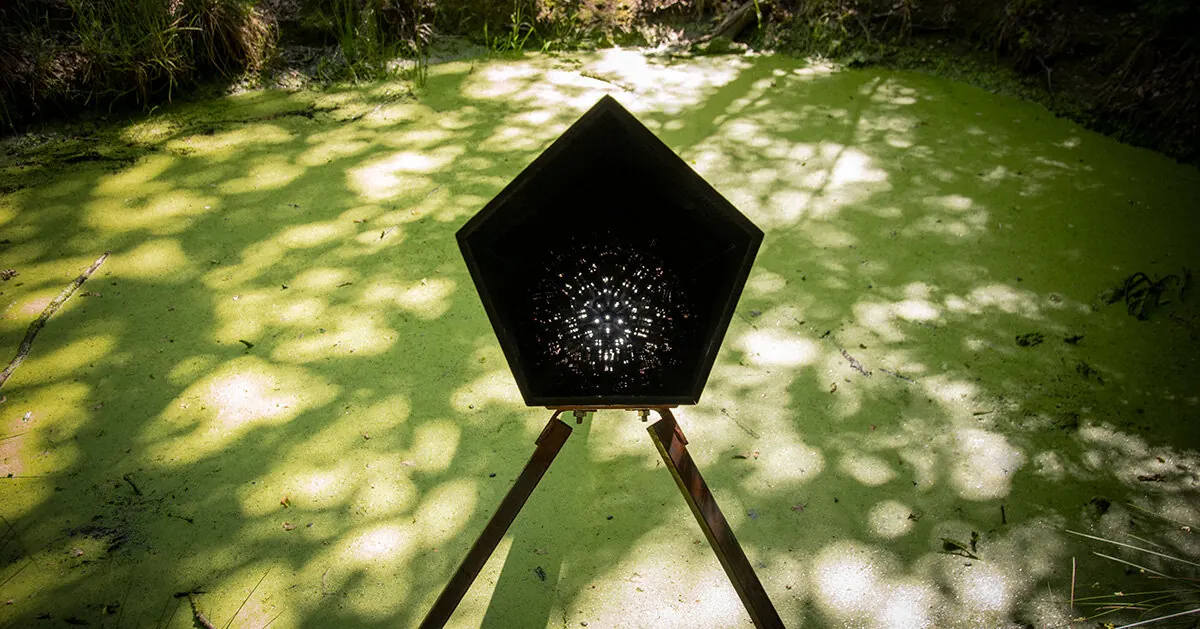
Bio-designer Teresa van Dongen offers a compelling reflection on her work, delving into the intricate relationship between design and living systems. In an essay published on Designboom, van Dongen shares her perspective on how biology has fundamentally reshaped her understanding of what products can be, the nature of care, and the deeper connections we forge with both objects and our environment.
The Invisible Networks Behind Objects
Van Dongen begins by drawing a parallel between the evolution of design and its increasing reliance on invisible infrastructure. She contrasts a time when objects, like an oil lamp, were largely self-sufficient with the present era, where even a simple light switch connects us to a vast, often unseen network of power grids, maintenance crews, and global ecological impacts. This seamlessness, she argues, can lead to a disconnect, making us feel as though we are the sole creators of the energy we consume, oblivious to the complex systems at play far beyond our immediate experience.
A Foundation in Biology
Her journey into this interconnected worldview began with her studies in biology at the University of Amsterdam before transitioning to design at Design Academy Eindhoven. Ecology provided her with a crucial framework: viewing the world as an intricate web of relationships rather than isolated components. This biological perspective also highlighted the cyclical nature of growth, where periods of abundance are invariably followed by constraints that restore balance. This understanding sparked a fundamental question for van Dongen: could designers create objects that actively collaborate with biological processes, rather than simply consuming them?
Early Explorations: Ambio
This early curiosity led to her first “unplugged design,” Ambio, an experimental light installation created in 2014. Ambio utilized bioluminescent bacteria, cultivated from an octopus’s skin, to generate light. The project unexpectedly garnered significant international attention, which van Dongen attributes not only to its novel biological light source but also to its suggestion that a product could embody a relationship. Unlike conventional lamps, Ambio required active care and attention from its caregivers, making the user a participant rather than a passive consumer. The meticulous daily maintenance, including cultivating glowing seawater and ensuring sterile working conditions, highlighted the commitment required to nurture a living design.
Rethinking Convenience and Care
Despite the magic of Ambio, van Dongen recognized that the daily demands of its upkeep exceeded what could reasonably be expected of future users. This realization paused the project but not the underlying question: could living systems challenge the expectation of effortless convenience associated with electrical products? This question continued to drive her subsequent series of living light projects, including Spark of Life, Electric Life, and Biolume, developed between 2016 and 2019.
Biolume, for instance, revisited the ritualistic nature of earlier light sources like oil lamps, which required cleaning and refilling. By replacing the traditional fuel reservoir with a biological reactor powered by electroactive bacteria, Biolume aimed to re-establish a forgotten relationship between light and awareness, highlighting the preciousness of light when it demands attention.
Designing with Living Systems
Van Dongen’s exploration extends beyond light, encompassing a broader vision for designing with living systems. Her work with microbial fuel cells, for example, demonstrates how these organisms can continuously produce electrons to power devices. This approach fundamentally shifts the design paradigm from creating inert objects to fostering dynamic, symbiotic relationships. It challenges designers to consider the life cycles, needs, and environmental impacts of the biological components they integrate into their work.
The Future of Design
Teresa van Dongen’s insights offer a critical perspective on the future of design. As we grapple with environmental challenges, her work suggests that embracing biological processes and living systems is not just an aesthetic choice but a necessary evolution. It calls for a design practice that prioritizes connection, care, and a deep understanding of the interconnectedness of all life. Her ongoing research and projects continue to push the boundaries of what is possible, encouraging a more mindful and integrated approach to creating the objects and environments of tomorrow.
Key facts
| Aspect | Detail |
|—|—|
| Designer | Teresa van Dongen |
| Core Concept | Designing with living systems, microbial energy |
| Notable Projects | Ambio (bioluminescent bacteria light), Biolume (electroactive bacteria lamp) |
| Educational Background | Biology, Design Academy Eindhoven |
Van Dongen’s work is particularly relevant to the Paionia7 audience as it explores innovative approaches to sustainable design and the integration of natural processes into the built environment and product design. Her perspective encourages a rethinking of our relationship with technology and the natural world, aligning with the site’s focus on forward-thinking architectural and design concepts.
Source: Designboom – teresa van dongen on designing with living systems – https://www.designboom.com/design/teresa-van-dongen-designing-living-systems-essay/
Datos clave
| Punto | Detalle |
|---|---|
| Fuente | Designboom |
| Fecha | 2026-07-07T01:30:26+00:00 |
| Tema | teresa van dongen on designing with living systems |
Source
Designboom Original publication: 2026-07-07T01:30:26+00:00
Related news
Handwoven Teak and Cord Outdoor Seating Debuts from Masaya and Abril Zepeda
Nicaraguan furniture brand Masaya has introduced two new handcrafted outdoor chairs — a rocking chair and a lounge chair — designed by…
Read more
Place in Mind: Hendricks Churchill Launches Hospitality Group to Revive Historic Properties
The architecture and interior design studio Hendricks Churchill has launched Place in Mind, a new hospitality group focused on acquiring, restoring, and…
Read more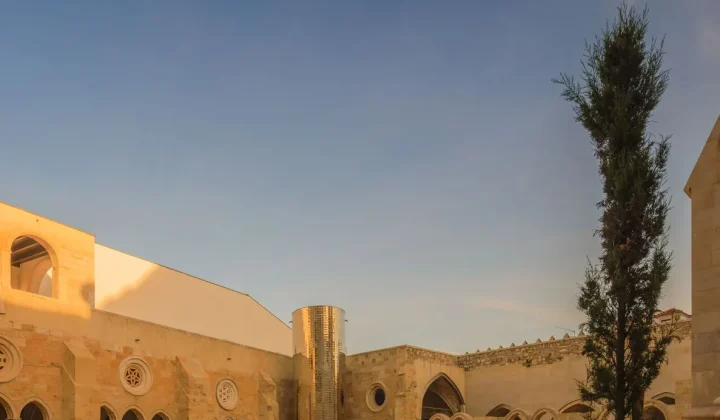
Adalberto Dias Architects Complete Restoration of Lisbon’s Patriarchal Cathedral and Archaeological Center
The restoration of the Sé de Lisboa by Adalberto Dias Arquitecto integrates a new archaeological center, preserved cloisters, and seven centuries of…
Read more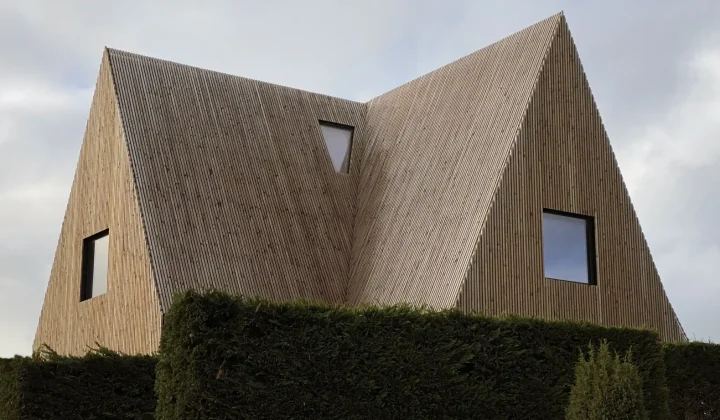
Vantieghem Talebi’s ‘House of Cards’ Brings Timber Geometry to Belgian Family Home
A new family house in Belgium by US- and Swiss-based practice Vantieghem Talebi uses a steeply pitched, card-house-inspired form clad in Douglas-fir…
Read moreRelated wiki
Adaptive Reuse in Architecture
Reference page for reuse, retrofit, conversion, embodied carbon and design constraints.
Read more